Huangshan
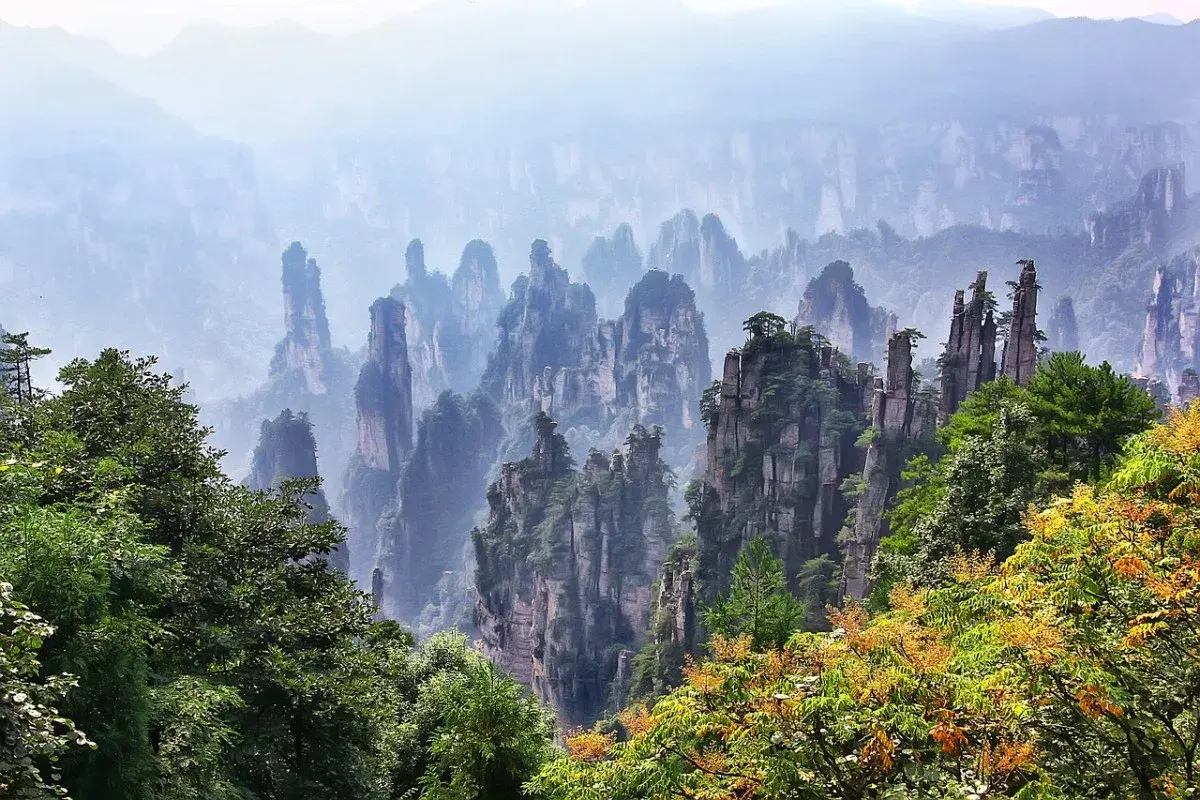
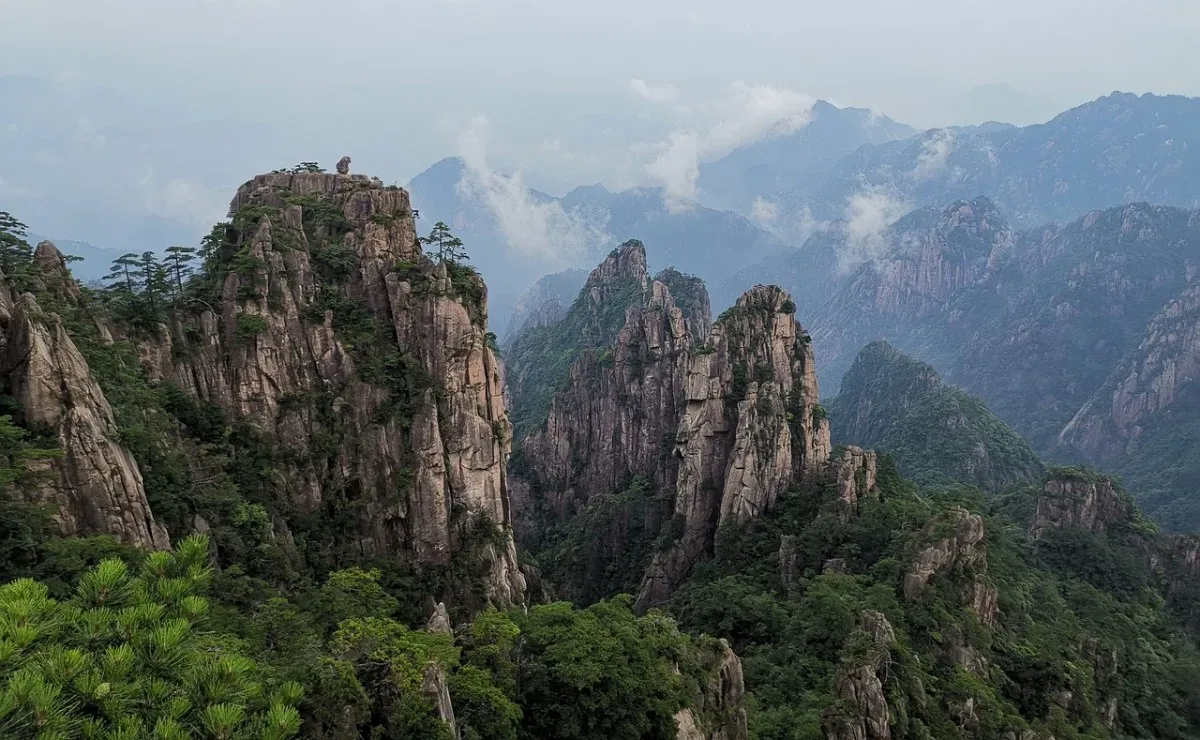
The 'loveliest mountain of China' — granite spires, 1,500-year-old pines and a sea of clouds that has inspired a thousand years of ink painting.
The 'loveliest mountain of China' — granite pines, cloud seas and sunrise above the mist.
About Huangshan
Huangshan (Yellow Mountain) is widely considered the most beautiful mountain in China — a granite range of spires, twisted pines and a legendary 'sea of clouds' that has inspired classical Chinese ink painting for a thousand years. It is worth visiting for the sunrise alone, and it is far more accessible than its altitude suggests thanks to modern cable cars. Most travelers spend two days: one day hiking up and exploring the summit, then a night on top to catch the dawn.
Facts at a Glance
The physical and historical details of Huangshan — useful for understanding the landscape and planning your visit.
| Landscape type | Granite peaks with U-shaped glacial valleys |
| Elevation | 1,864m at Lotus Peak (highest); Bright Summit 1,860m |
| Area | 1,200 km² scenic area, 154 km² core zone |
| Climate | Subtropical highland, cool summers, snowy winters, frequent sea-of-clouds in spring |
| UNESCO status | Mount Huangshan — UNESCO 1990 (mixed cultural + natural) |
Huangshan has been a touchstone of Chinese landscape art since the Song dynasty — the painter Mei Qing built a studio here, and the mountain features in the works of Shitao and Huang Binhong. Its iconic pines, including the 1,500-year-old Greeting Guest Pine, are cultural symbols featured on stamps, paintings and even the official logo of Anhui province.
Top things to do
- Watch the sunrise over the sea of clouds from Bright Summit or Refreshing Terrace
- See the Greeting Guest Pine, the 1,500-year-old tree that is China's most photographed pine
- Hike the West Sea Grand Canyon, the most dramatic and least crowded trail on the mountain
- Soak in the hot springs at the foot of the mountain after your descent
How to get there
High-speed rail to Huangshan North station (about 2.5 hours from Shanghai, 5 from Beijing), then a shuttle bus or taxi to the Tangkou scenic-area base. From there, take the park bus to the cable-car stations — the Yungu cable car up the east side is the most popular route.
Best time to visit
Year-round, but the character changes dramatically. Spring (April–May) brings azalea bloom; autumn (September–November) gives clear skies and crisp views; winter (December–February) offers snow-covered pines and fewer crowds — the most photogenic season if you can handle the cold. Avoid Golden Week and summer weekends.
Season by season
Azalea bloom across the slopes, temperatures 8–18°C. Mist is more common than clear skies — a feature, not a bug, for classical Chinese landscape photography.
Cooler than the lowlands (15–25°C) and the greenest season. Afternoon thunderstorms, hotel rates at peak, and lots of Chinese domestic tourists.
Clearest skies of the year, brilliant red maple leaves, temperatures 6–18°C. Best balance of views, weather and crowds.
Snow-covered pines and rime ice — Huangshan's most photogenic season, with far fewer crowds. Temperatures -5 to 5°C; some cable cars close in heavy snow.
Suggested itinerary
Take the Yungu cable car up, drop your bag at the summit hotel, then hike the West Sea Grand Canyon loop and catch sunset from Bright Summit.
Wake before dawn for sunrise, see the Greeting Guest Pine, then hike down (or ride the cable car) and head to the hot springs.
What it really costs
A realistic per-person day budget for Huangshan, excluding international flights. Prices in CNY (1 USD ≈ 7.2 CNY).
Editor's pro tips
Five things we'd tell a friend before they go — the practical details you won't find in a brochure.
- Book summit hotels weeks ahead — even mid-range beds sell out on weekends and in October
- Take the Yungu cable car up and Yuping cable car down — different scenery, similar crowds, less walking
- Watch sunrise from Bright Summit, not the more famous Refreshing Terrace — fewer people, equal views
- Buy a stick of bamboo on the way up for CNY 5 — the stone steps are relentless without one
- Pack a headlamp; summit paths are unlit before dawn and the cable cars do not open until 6:30am