Every Landscape China Has
China spans four climate zones and every major landform on Earth. Here's how they form, where to see them, and the single best spot for each.
Explore all 12 destinationsThe 10 Landform Families
China spans four climate zones and every major landform on Earth. Here's how to make sense of it.
Karst
Tower-like limestone peaks, caves and lazy rivers
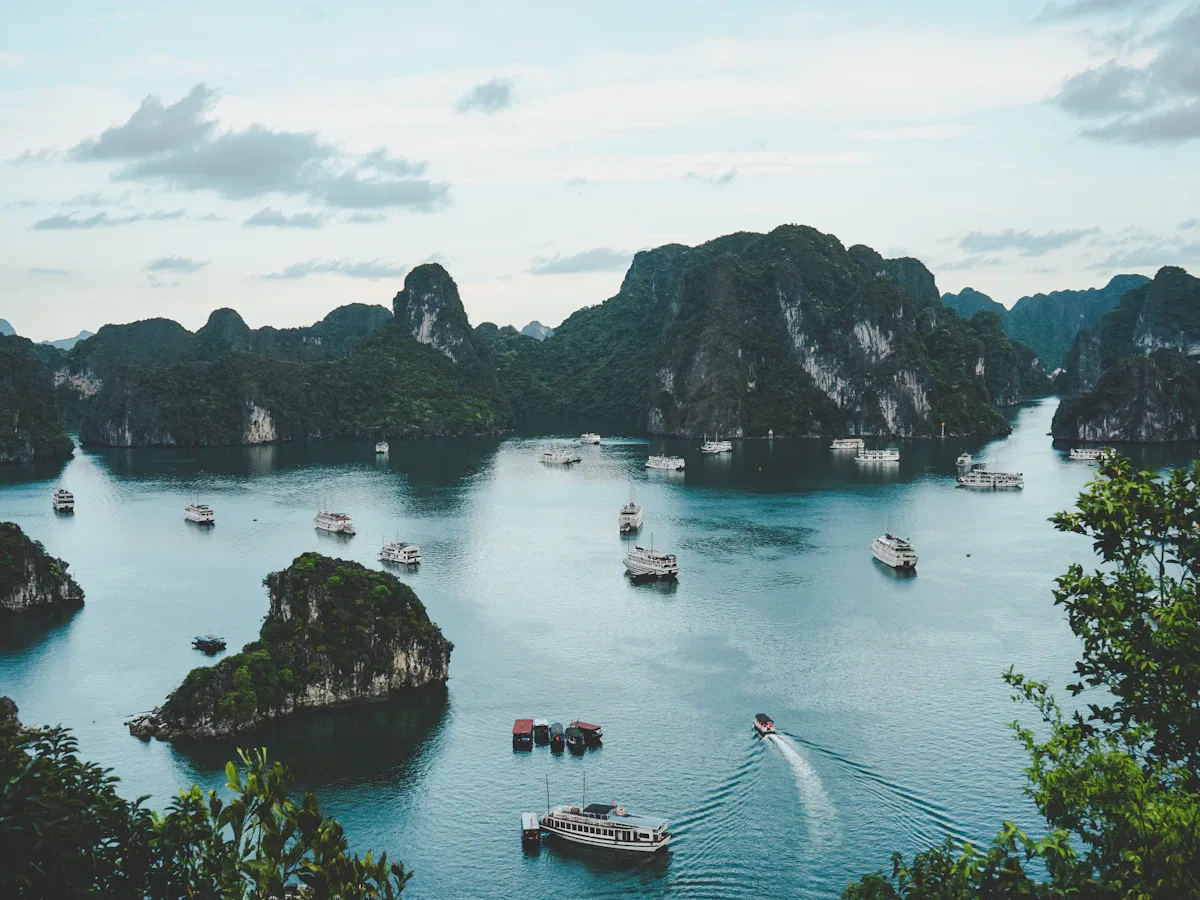
Guilin · Yangshuo · Yunnan Stone Forest
Karst is the landscape you already know — the cone-shaped limestone peaks rising out of jade-green rivers that appear on every Chinese painting and banknote. It forms when mildly acidic rainwater slowly dissolves soluble limestone over millions of years, leaving behind towers, caves and underground rivers.
Best spots to visit
Guilin & Yangshuo
Apr–NovThe classic karst scene. Cruise the Li River from Guilin to Yangshuo, then rent a bike and ride through rice paddies, or float a bamboo raft down the Yulong River.
Cruise, cycling, bamboo raft
Full guideYunnan Stone Forest
Year-roundA UNESCO-listed forest of jagged limestone pinnacles near Kunming — some 30m tall — threaded with stone paths, caves and Yi minority villages.
Walking trails
Full guideWulong Karst
Apr–OctGiant natural bridges, sinkholes and caves near Chongqing — an otherworldly backdrop used in films, and one of the largest karst systems on Earth.
Hiking, cave tours
Best way to visit
Best way: Boat or raft is the classic way in — but renting a bike in Yangshuo gets you closer and away from the tour buses.
Danxia
Rainbow-striped red cliffs that look painted
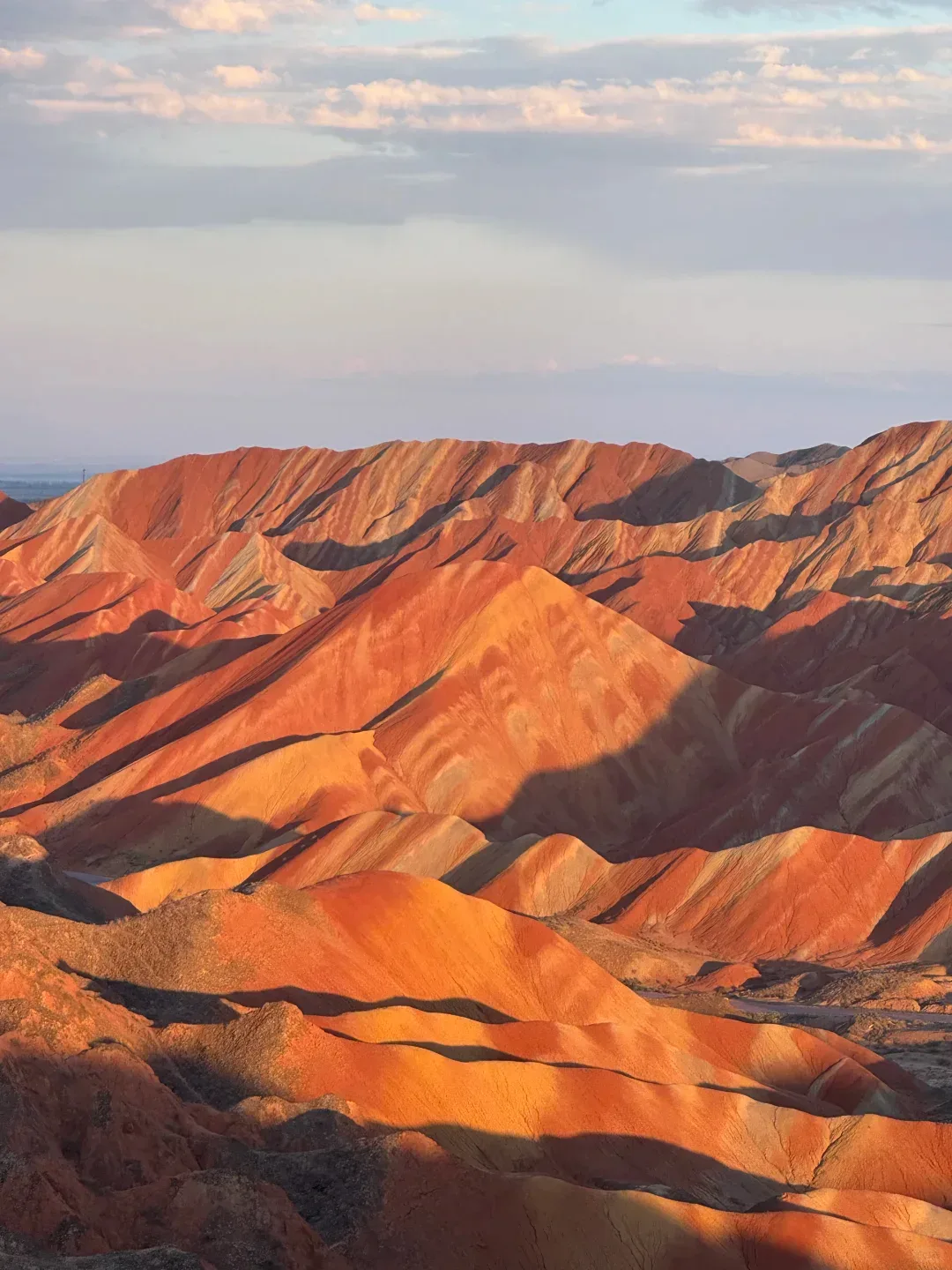
Zhangye · Danxia Mountain · Langshan
Danxia is China's most photogenic oddity — layered red sandstone carved by erosion into stripes of crimson, orange and cream that look airbrushed. The landform is named after the Danxia Mountains in Guangdong, but the most famous example is Zhangye's 'Rainbow Mountains'.
Best spots to visit
Zhangye Danxia
Year-roundThe Rainbow Mountains — vast ridges of striped red, yellow and green rock in Gansu. Colors are most saturated just after sunrise and before sunset.
Boardwalks, viewpoints
Danxia Mountain
Oct–DecThe landform's namesake near Shaoguan, Guangdong — red cliffs, stone pillars and subtropical forest, with boat rides along the Jin River below.
Hiking, river boat
Langshan
Apr–OctA quieter World Heritage danxia of red peaks and a dramatic river-cut gorge in Hunan, far from the Zhangye crowds.
Hiking
Best way to visit
Best way: Visit at golden hour — low sun brings out the strata. Zhangye's boardwalks make it easy, but hiring a driver lets you beat the crowds.
Mountains
Granite spires, cloud seas and sacred summits
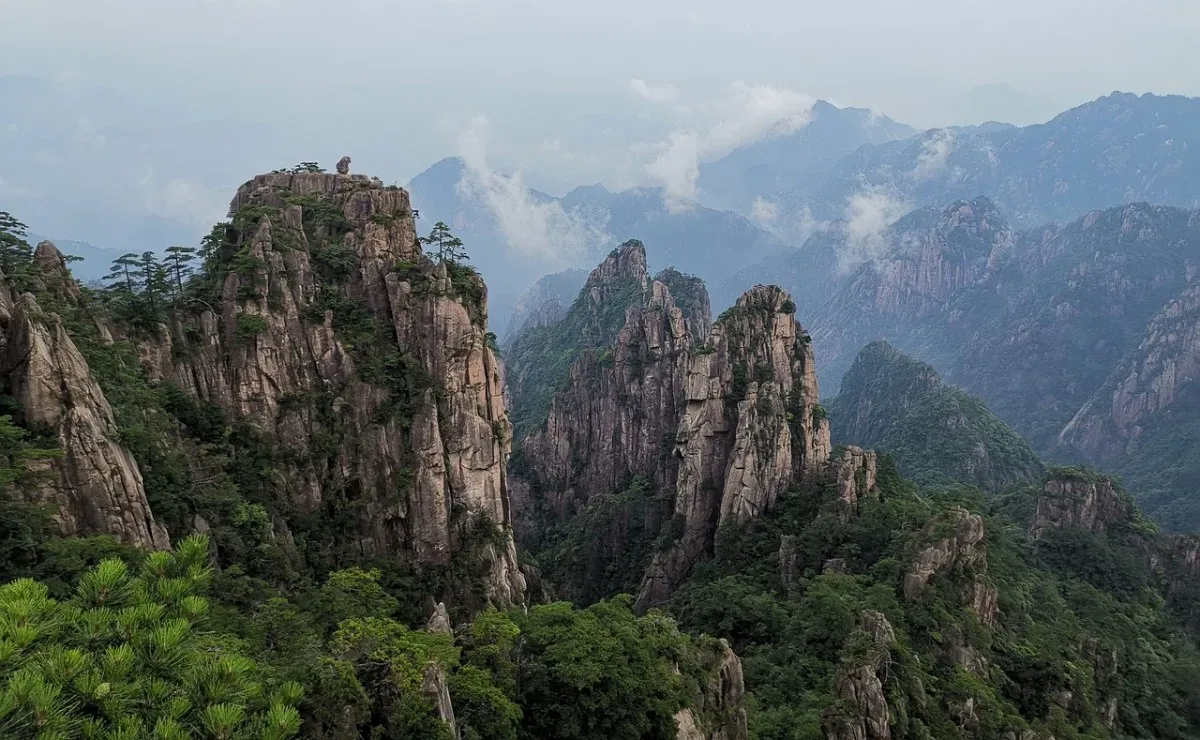
Huangshan · Zhangjiajie · Fanjing
China's scenic and sacred mountains are a category of their own — granite spires wreathed in cloud, stone staircases climbing to temples on the summit, and sunrises people wake in the dark to see. Some are pilgrimage sites; others are pure geology.
Best spots to visit
Huangshan
Year-roundThe 'loveliest mountain of China' — granite pines, grotesque rocks, hot springs and a famous sea of clouds. UNESCO-listed and the direct inspiration for classical ink painting.
Cable car + summit trails
Zhangjiajie
Apr–Nov3,000 quartz-sandstone pillars rising out of subtropical forest — the 'floating mountains' of Avatar. Includes the world's tallest outdoor elevator and a glass-bottomed bridge.
Elevator, glass bridge, trails
Full guideFanjingshan
Apr–NovA dramatic twin-peaked summit topped by Buddhist temples, reached by a near-vertical staircase above a sea of clouds in Guizhou.
Staircase hike
Best way to visit
Best way: Plan at least one summit sunrise — it is the single best mountain experience in China. Cable cars save your legs, but queues are long in peak season.
Lakes
Turquoise alpine lakes and crystal-clear pools
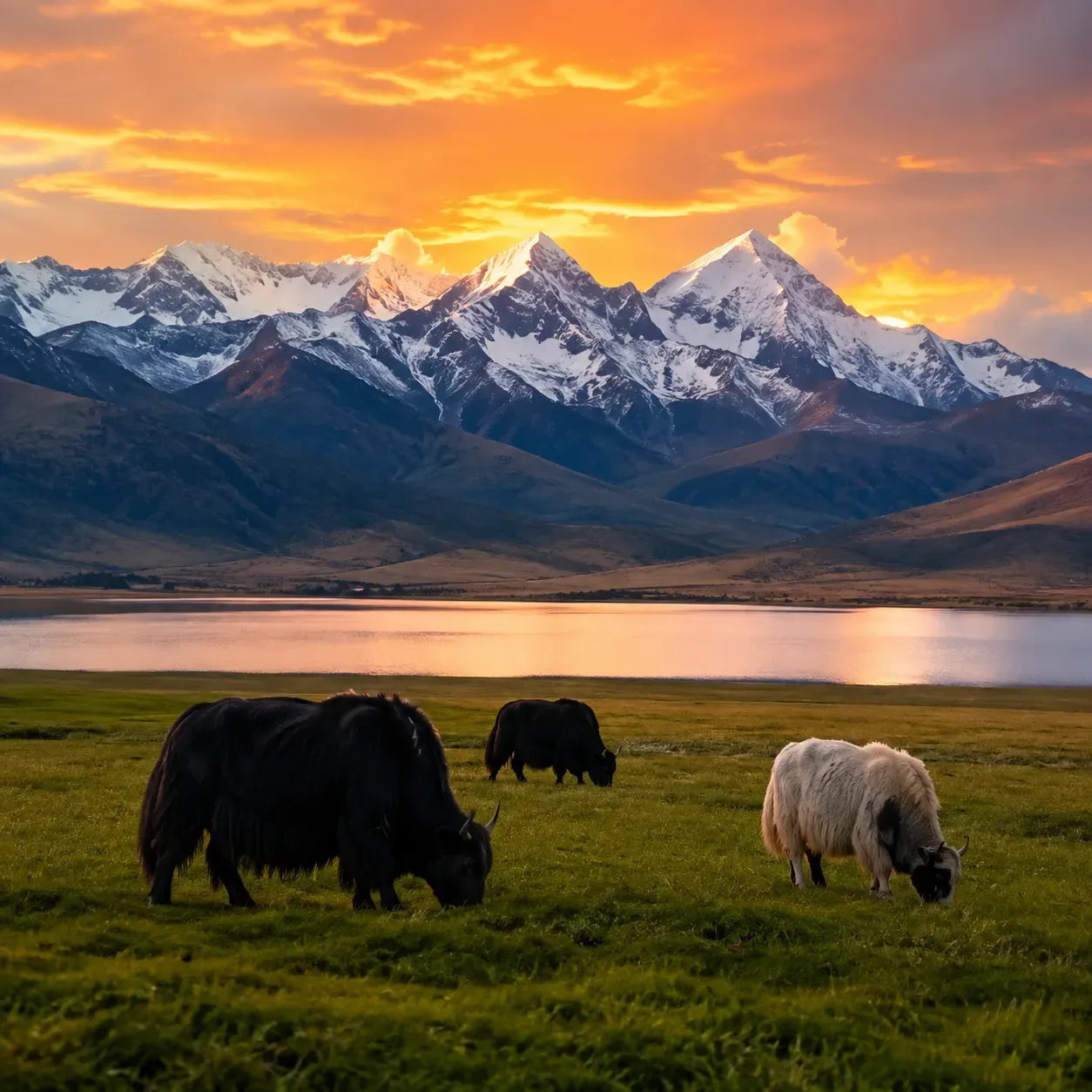
Jiuzhaigou · Qinghai Lake · Kanas
China's alpine lakes are unlike anything at sea level — turquoise, emerald and sapphire pools formed by glacial runoff and mineral deposits, often framed by snow peaks. They are the country's most photographed water.
Best spots to visit
Jiuzhaigou
Sep–OctA UNESCO valley of over 100 tiered lakes and waterfalls in every shade of blue and green, backed by snow mountains and Tibetan villages.
Boardwalk + shuttle bus
Qinghai Lake
Jun–AugChina's largest lake — a vast saltwater mirror ringed by yellow rapeseed fields in summer, and a key stop on the Qinghai–Tibet route.
Cycling, driving loop
Kanas
Sep–OctAn emerald mountain lake in the far-northwest Altai, famous for autumn birch and larch forests and the mythical 'Kanas monster'.
Boat, boardwalks, viewpoints
Best way to visit
Best way: Go in autumn for maximum color, and arrive at opening time — alpine lakes are calmest and most reflective before the wind picks up.
Deserts
Singing dunes, oases and Silk Road silence
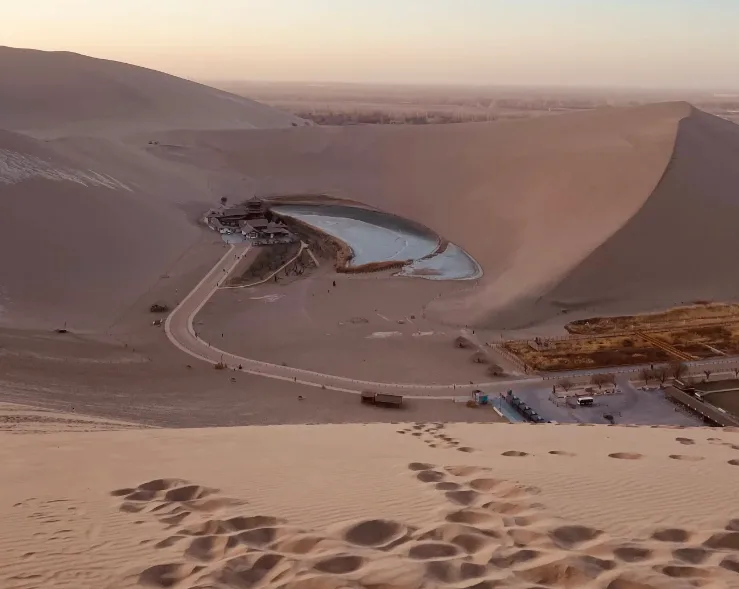
Dunhuang · Badain Jaran · Taklimakan
China's deserts are the sands of the ancient Silk Road — rolling dune fields, 'singing' sands, oasis lakes and the ruins of caravan towns. They stretch across the northwest from Gansu to Xinjiang.
Best spots to visit
Dunhuang & Mingsha Shan
Apr–Jun, Sep–OctThe 'Singing Sand Dunes' rising behind a crescent-shaped oasis lake, gateway to the Mogao Caves' thousand-year-old Buddhist art.
Camel ride, sandboarding, sunset
Full guideBadain Jaran
May–OctThe world's tallest stationary dunes — some 500m — hiding over 100 spring-fed lakes in Inner Mongolia, sacred to local herders.
4WD desert tour
Taklimakan
Apr–OctOne of Earth's largest sandy deserts, crossed by a remote desert highway — a vast, empty sea of dunes in Xinjiang.
Desert highway drive
Best way to visit
Best way: Go at dawn or dusk when the sand glows and temperatures drop — and always take a licensed driver into the dunes.
Grasslands
Endless steppe, galloping horses and yurts
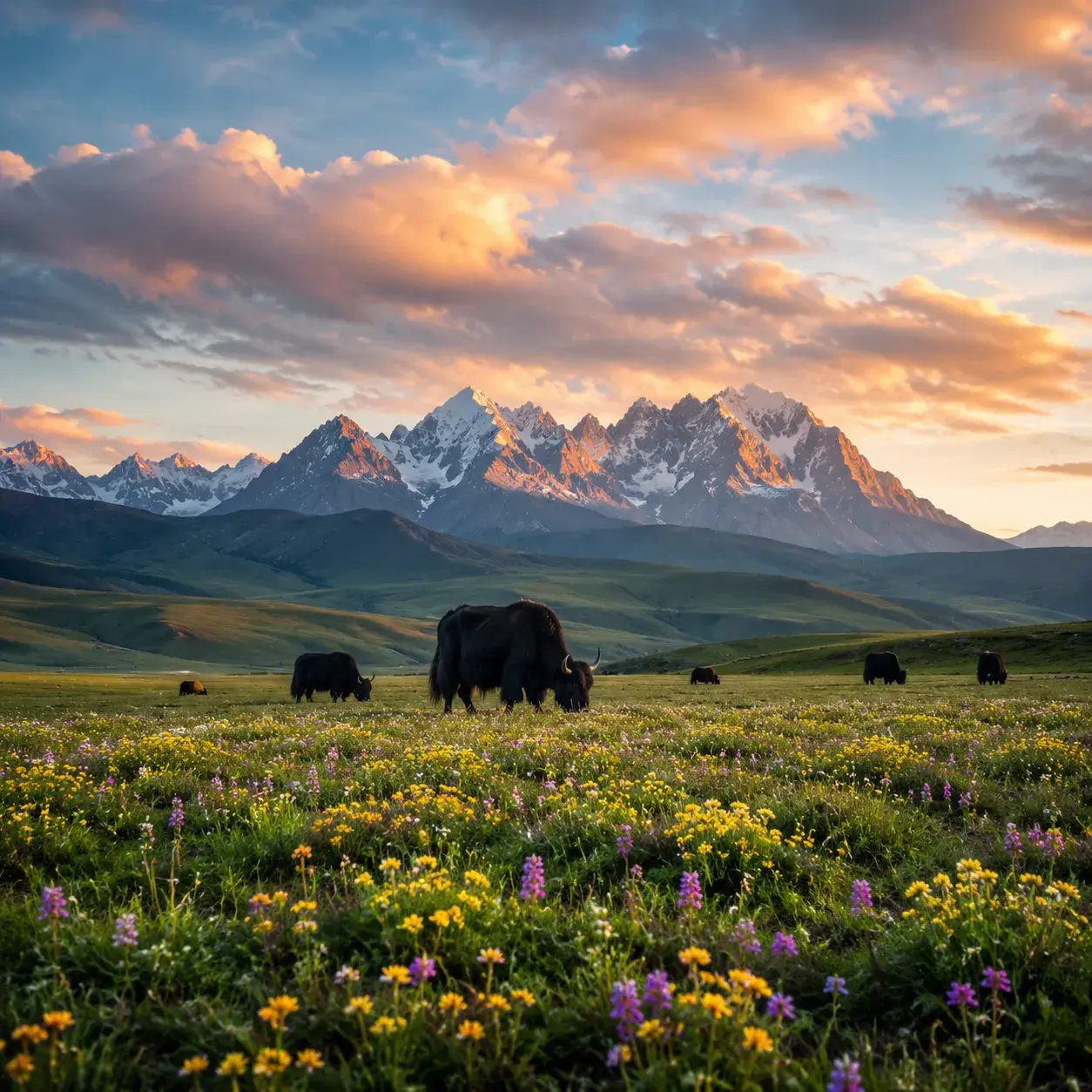
Hulunbuir · Zoige · Bayanbulak
China's northern steppe is where the country turns green and endless — rolling grassland dotted with grazing sheep, galloping horses and white Mongolian yurts, under skies that seem to go on forever.
Best spots to visit
Hulunbuir
Jun–AugChina's largest and lushest prairie in Inner Mongolia, along the Russian border — rivers, birch forests and horse-riding camps.
Horse riding, yurt stays
Zoige
Jun–AugA high-altitude 'jade' grassland on the Sichuan–Gansu border, dotted with wildflowers, yaks and the first bend of the Yellow River.
Scenic drives, horse riding
Bayanbulak
Jun–SepA vast alpine meadow in Xinjiang famous for its 'Nine Bends' river viewpoint at sunset and its wild swans.
Sunset viewpoints
Best way to visit
Best way: Go in summer (June–August) when the grass is greenest, and stay overnight in a yurt to catch a star-filled sky.
Glaciers
Ice falls, snow peaks and thermal springs
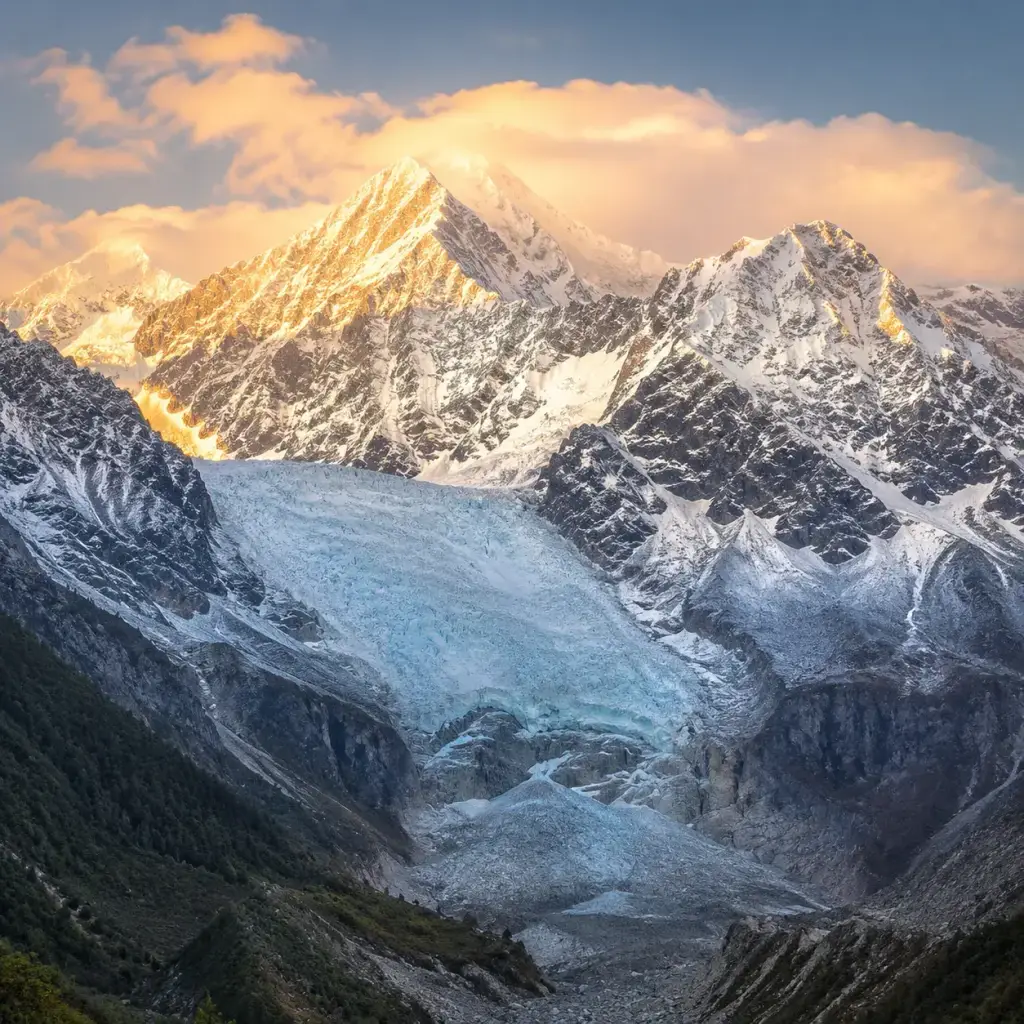
Hailuogou · Rongbuk · Meili Snow
China's glaciers are the frozen spine of its highest ranges — blue ice falls tumbling between peaks and snow mountains that mark the Roof of the World. Several are accessible at unusually low altitude.
Best spots to visit
Hailuogou
Nov–AprA rare low-altitude glacier in Sichuan with a 1,000m ice fall, reached by cable car and paired with natural hot springs.
Cable car, hot springs
Rongbuk Glacier
Apr–Jun, Sep–OctThe glacier below Everest's north face in Tibet — the closest most travelers ever get to the world's highest peak.
Base-camp road
Meili Snow Mountain
Oct–MarA sacred 6,740m peak range in Yunnan known for the 'sunrise on golden mountain' effect over Kawagebo.
Viewpoints
Best way to visit
Best way: Winter and early spring give the clearest glacier views — summer clouds often hide the peaks.
Forests
Ancient woodlands, bamboo seas and rainforest
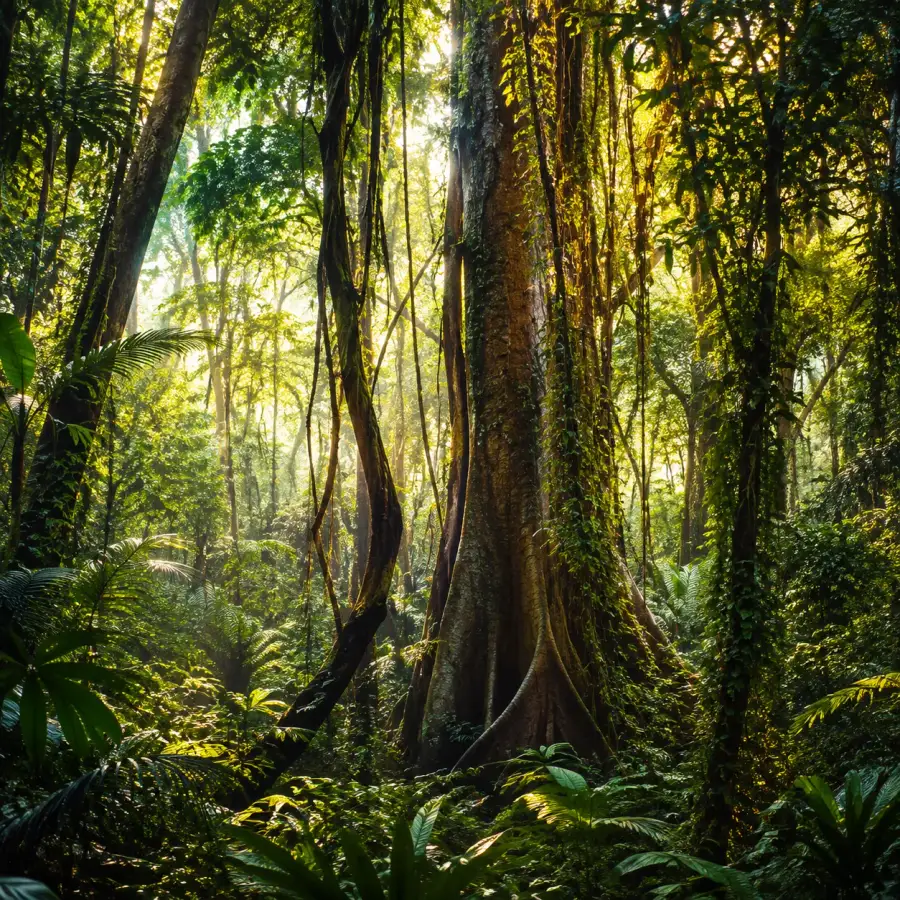
Shennongjia · Xishuangbanna · Shunan
China's forests range from the misty primeval woodlands of the center to the last tropical rainforest in the south — refuges for pandas, golden monkeys and wild elephants.
Best spots to visit
Shennongjia
May–OctA mysterious UNESCO-listed primeval forest in Hubei — deep canyons, cloud forest and the golden snub-nosed monkey.
Trails, monkey viewing
Xishuangbanna
Nov–AprChina's only tropical rainforest in southern Yunnan — wild Asian elephants, tea mountains and Dai culture.
Botanical gardens, elephant valley
Full guideShunan Bamboo Sea
Year-roundA 120 km² ocean of emerald bamboo in Sichuan, crisscrossed by quiet paths, waterfalls and a lake to boat across.
Walking, boating
Best way to visit
Best way: Visit Shennongjia in autumn for mist and color; Xishuangbanna in winter for dry, cool jungle weather.
Wetlands
Bird sanctuaries, marshes and river deltas
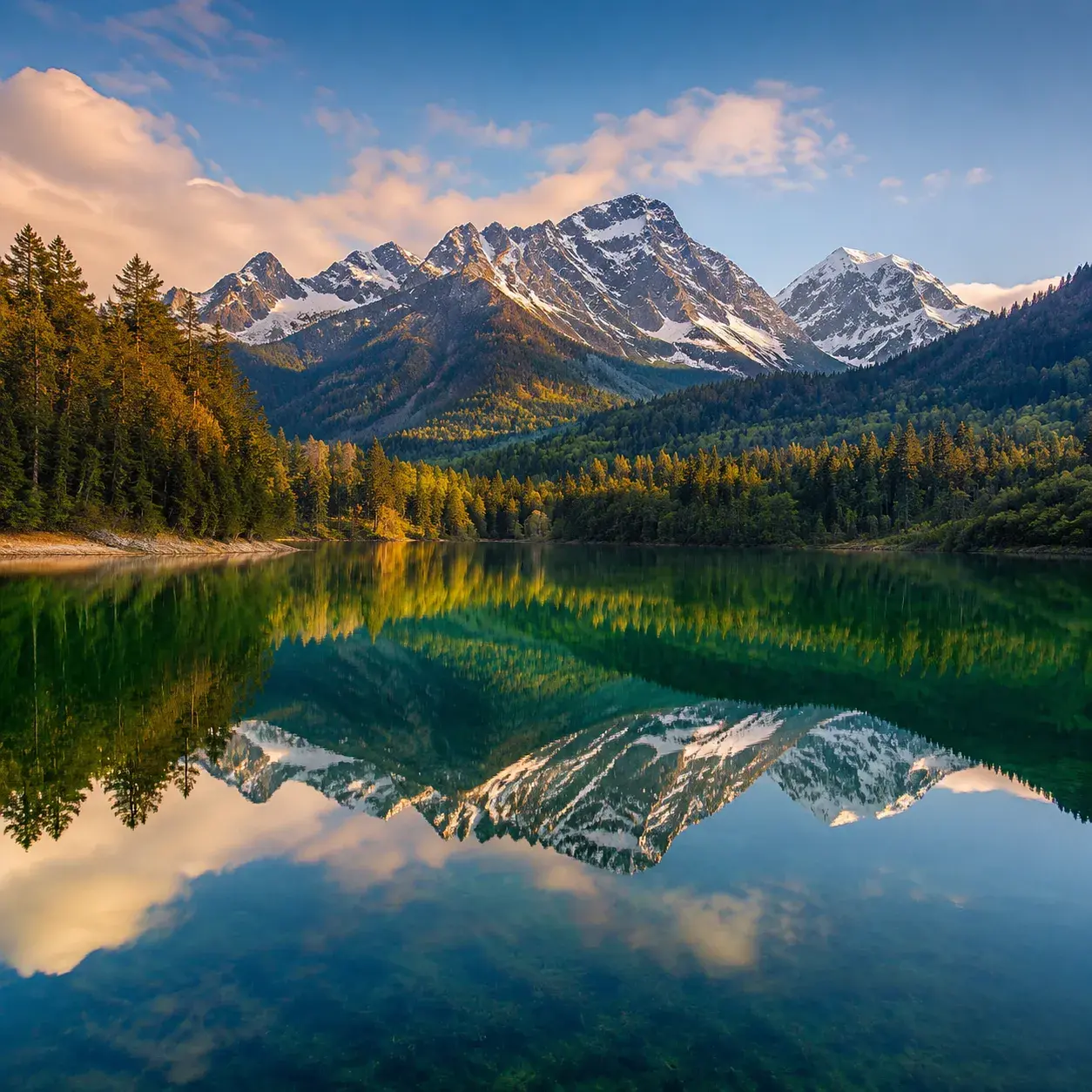
Yellow River Delta · Zoige Marshes
China's wetlands are the meeting of water and land — river deltas, marshes and reed beds that rank among the world's most important stopovers for migratory birds.
Best spots to visit
Yellow River Delta
Sep–NovWhere the Yellow River empties into the Bohai Sea — a UNESCO-listed sanctuary for migratory birds, and a 'red carpet' of suaeda plants each autumn.
Boardwalks, birdwatching
Zoige Marshes
Jun–AugHigh-altitude peat bogs on the Tibetan plateau — the source of the Yellow River and home to black-necked cranes.
Birdwatching
Yancheng
Nov–FebCoastal wetlands in Jiangsu protecting the red-crowned crane and the endangered milu deer.
Crane viewing
Best way to visit
Best way: Bring binoculars and go in migration season — autumn (Sep–Nov) is peak for birds and the red suaeda carpet.
Plateau
The Roof of the World — high plains and peaks
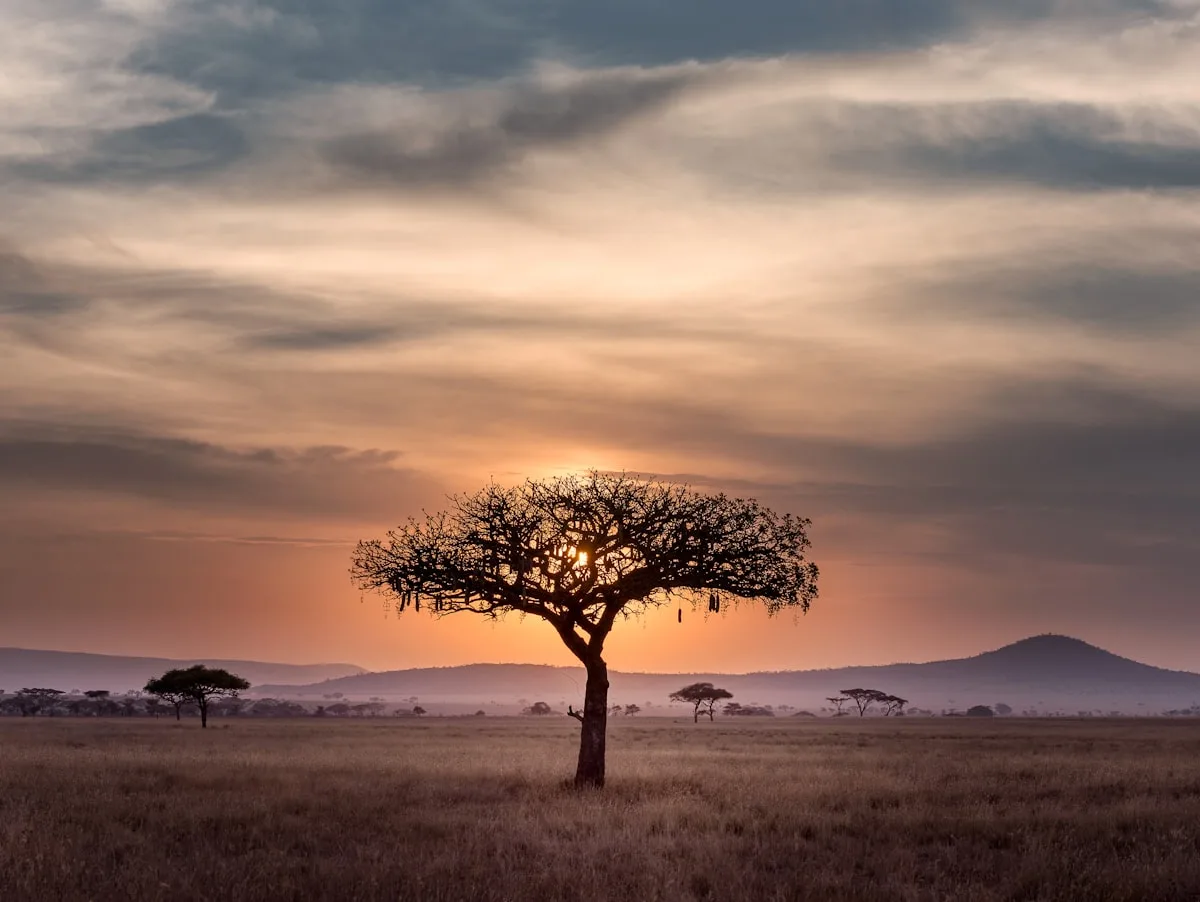
Tibet · Shangri-La · Hoh Xil
The Tibetan Plateau — the 'Roof of the World' — is a world apart: high plains at 4,000m, turquoise sacred lakes, glacier-topped ranges and monasteries clinging to cliffs. Altitude is part of the experience.
Best spots to visit
Lhasa & Tibet
May–OctThe plateau's cultural heart — Potala Palace, Jokhang Temple, and the turquoise lakes and passes of the high Himalaya.
Sightseeing, overland drives
Full guideShangri-La
Apr–NovA Tibetan town at 3,200m in Yunnan — Songzanlin Monastery, alpine lakes and snow-capped gorges of the Meili range.
Monastery visits, hiking
Full guideHoh Xil
Jun–SepA vast, empty UNESCO wilderness in Qinghai — home to the Tibetan antelope and one of the wildest places left in China.
Overland traverse
Best way to visit
Best way: Acclimatize first (one night at ~3,000m), go May–October to avoid snow, and carry a warm layer even in summer.