Explore China's Natural Wonders
Twelve of China's best nature destinations, grouped by landscape. Pick a landform you love — karst peaks, rainbow danxia, glaciers, deserts or the high plateau — and find the right trip for your season.
Why these 12?
China has more distinct natural landscapes than almost any country on Earth — six climate zones, every major landform, and altitude from sea level to 8,848m. We picked these twelve because each one is the single best example of a landform that defines a region. Three are UNESCO World Heritage sites; four more are national parks of equal caliber. Together they cover the natural China that most first-time and return travelers want to see, in a trip length of two to four weeks.
How to choose
Three quick ways to narrow down — pick the one that fits your trip best.
How many days?
- • 1–2 days: Zhangye Danxia, Yellow River Delta
- • 2–3 days: Huangshan, Jiuzhaigou, Hailuogou
- • 3–4 days: Guilin, Zhangjiajie, Dunhuang, Shangri-La, Xishuangbanna, Hulunbuir
- • 5+ days: Tibet & Lhasa (permit, altitude, distance)
When are you going?
Most destinations have a peak season. See our best by season recommendations below — Jiuzhaigou in October and Zhangjiajie in autumn are the most photogenic weeks of the year.
How fit are you?
7 easy (no hiking, cable cars and buses handle the work — Guilin, Jiuzhaigou, Danxia, Zhangjiajie, Dunhuang wetlands), 4 moderate (some steps and altitude — Huangshan, Shangri-La, Hailuogou), and 1 challenging (Tibet's altitude).
Best by season
Each season has a destination at its absolute peak. Travel in that window and you'll see the landscape at its most photogenic.
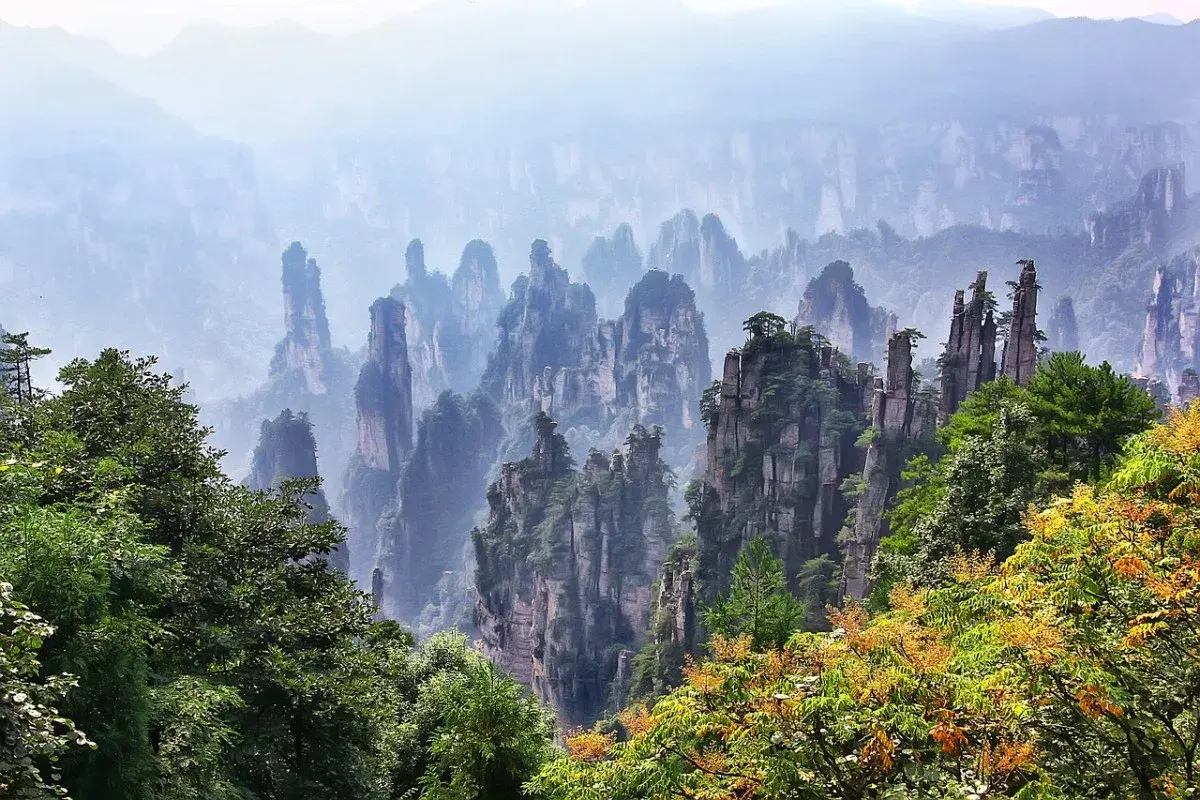
Zhangjiajie
3,000 sandstone pillars that inspired Avatar, plus the world's tallest outdoor elevator.
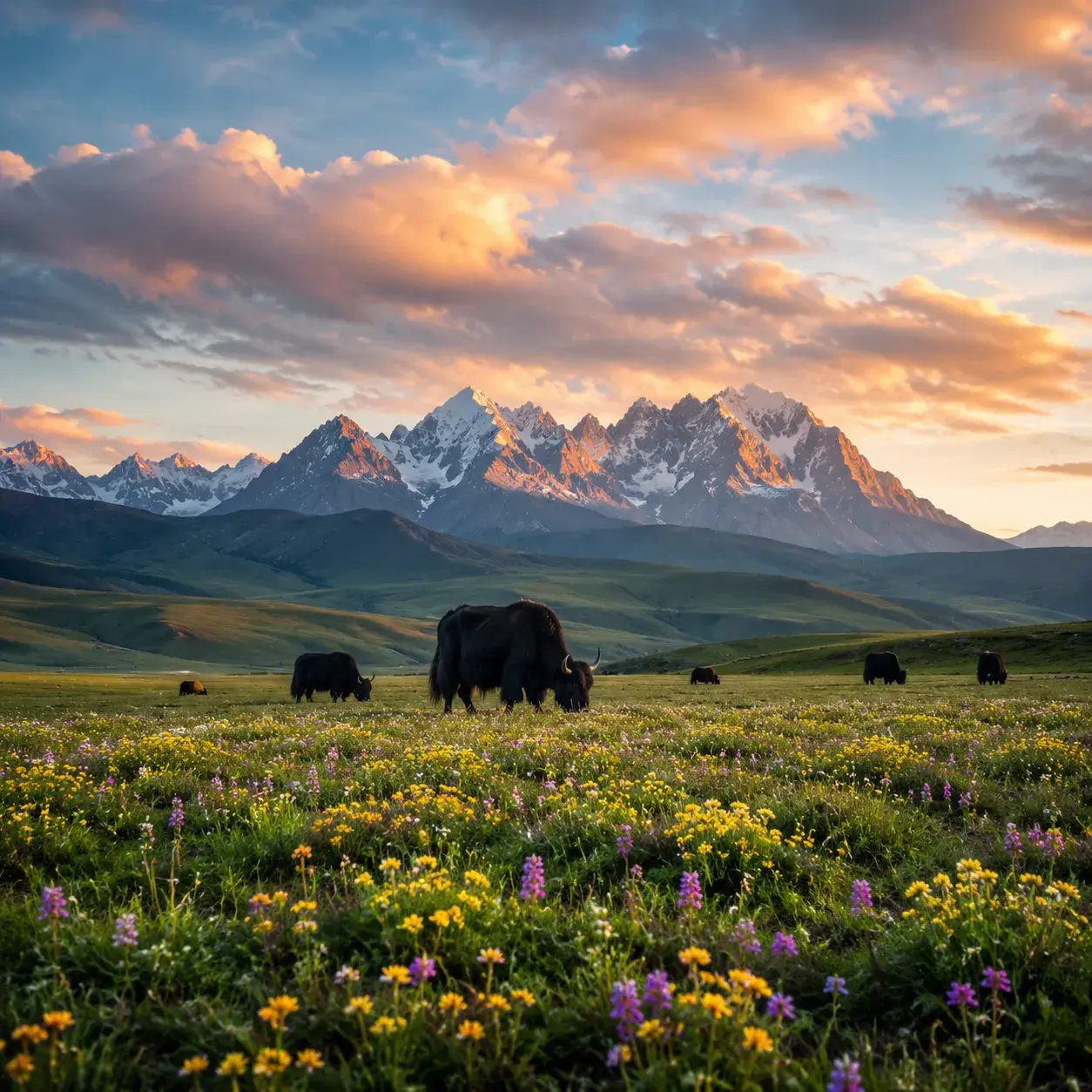
Hulunbuir Grassland
China's largest prairie — endless green, horse riding and Mongolian yurt stays in summer.
Zhangjiajie
3,000 sandstone pillars that inspired Avatar, plus the world's tallest outdoor elevator.
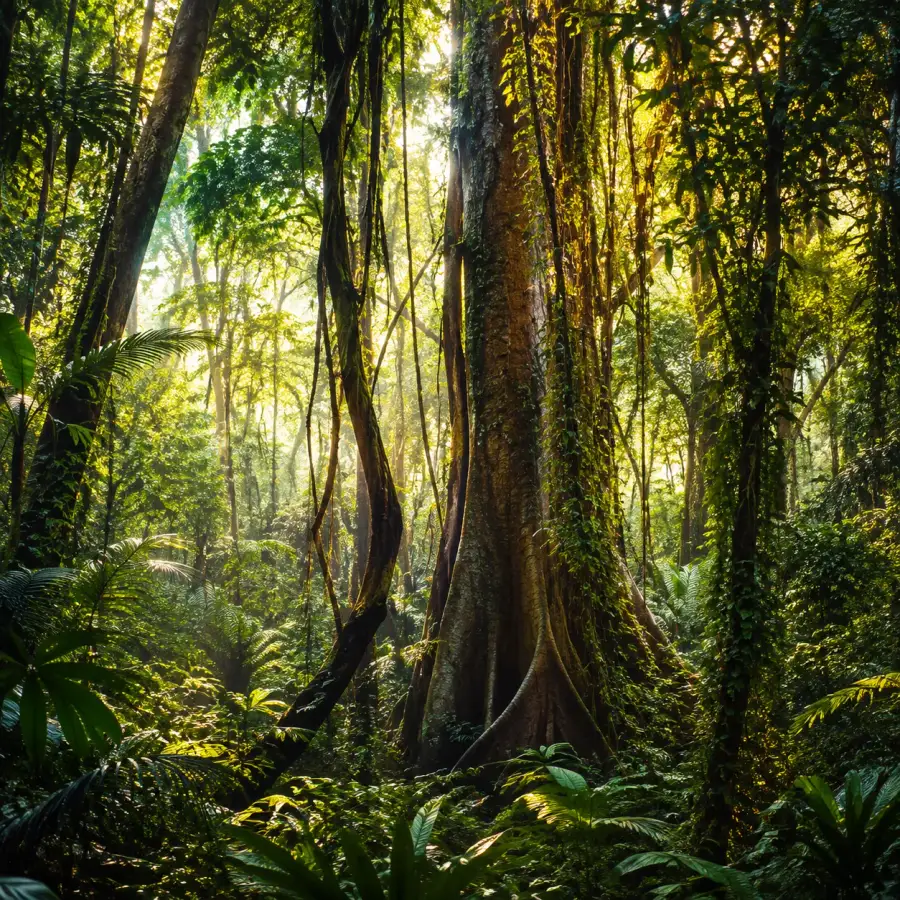
Xishuangbanna
China's only tropical rainforest — wild elephants, tea mountains and Dai culture.
China's 10 landscapes, explained
What each landform actually is, how it formed, and which destination to start with.
Karst 1 destination · start with Guilin & Yangshuo
Mountains 2 destinations · start with Zhangjiajie or Huangshan
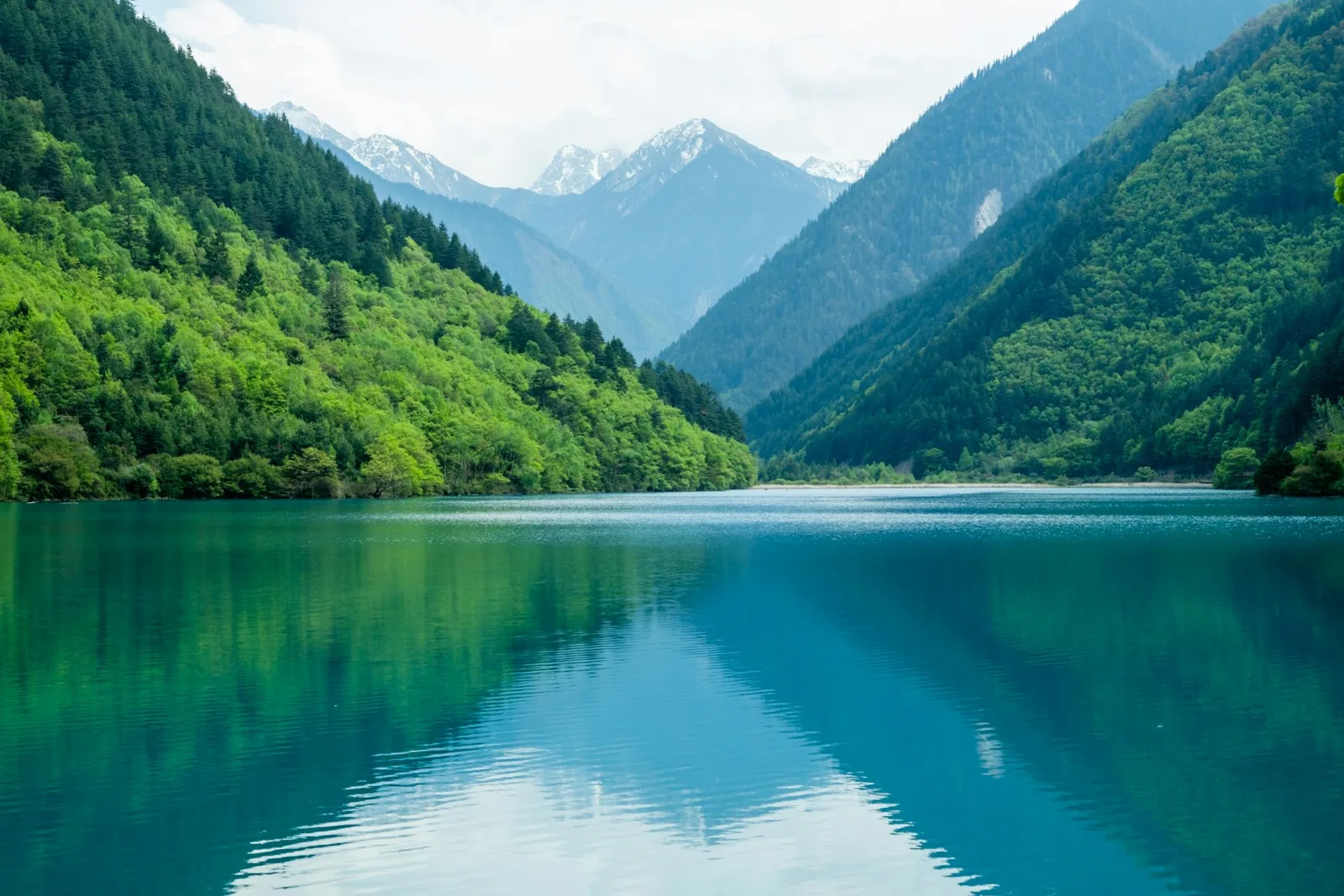
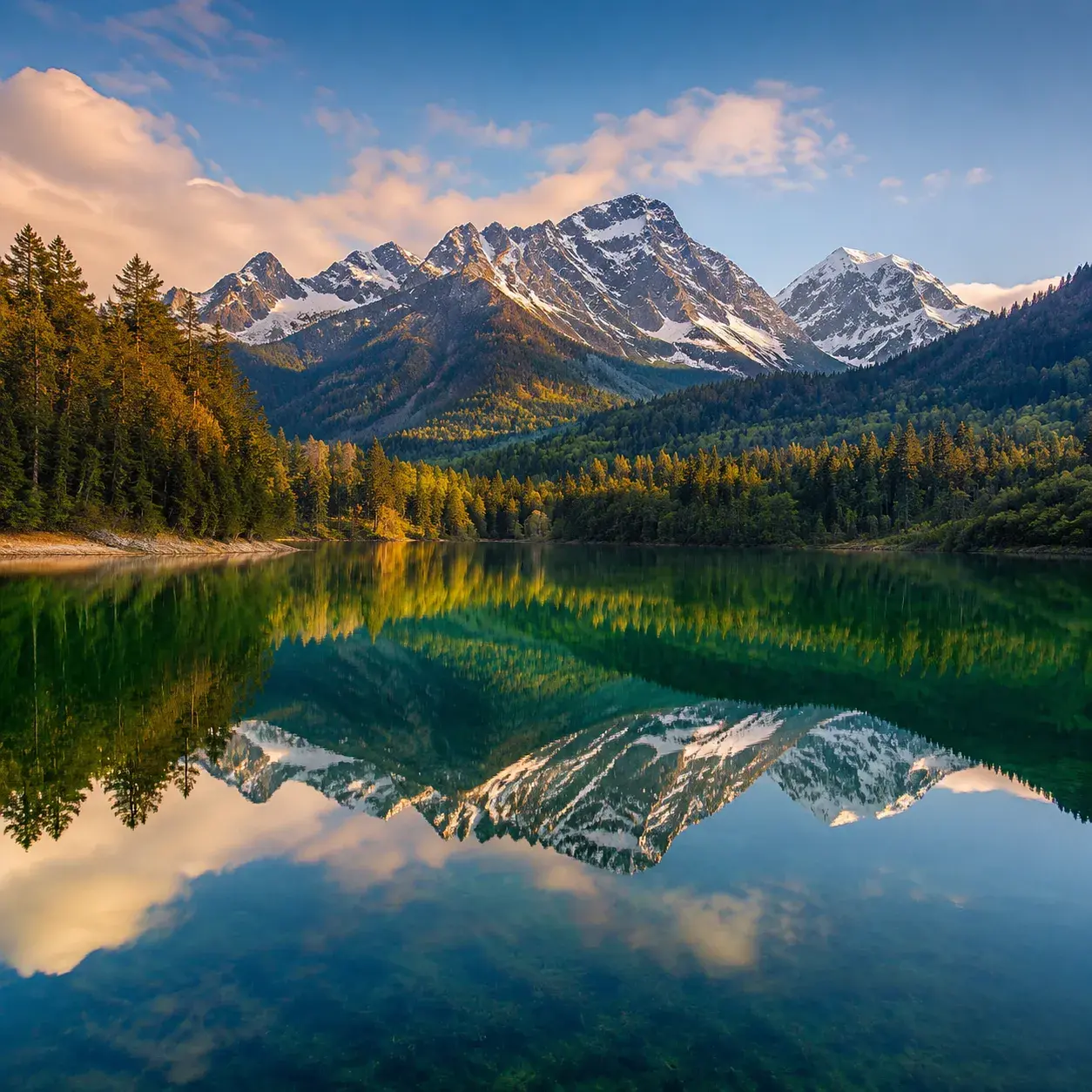
Lakes 1 destination · start with Jiuzhaigou
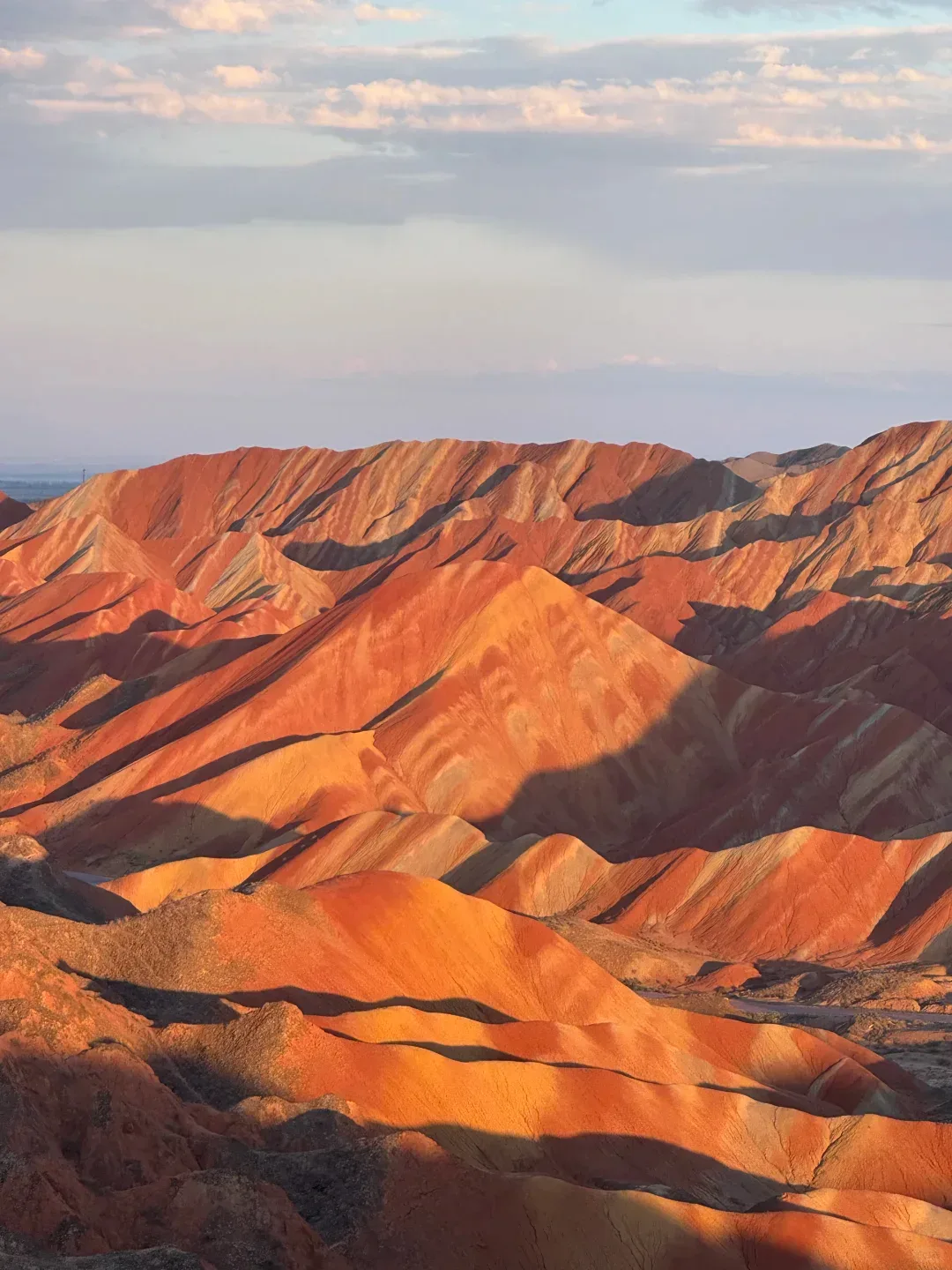
Danxia 1 destination · start with Zhangye Danxia
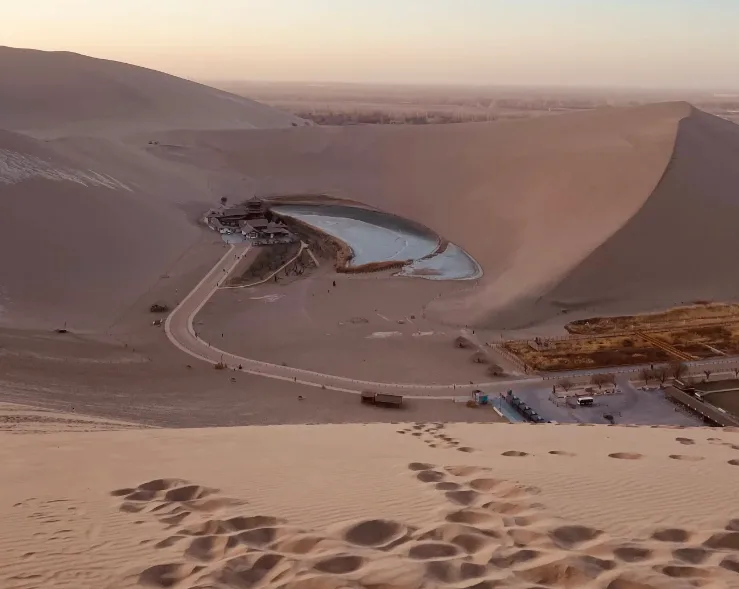
Deserts 1 destination · start with Dunhuang
Grasslands 1 destination · start with Hulunbuir
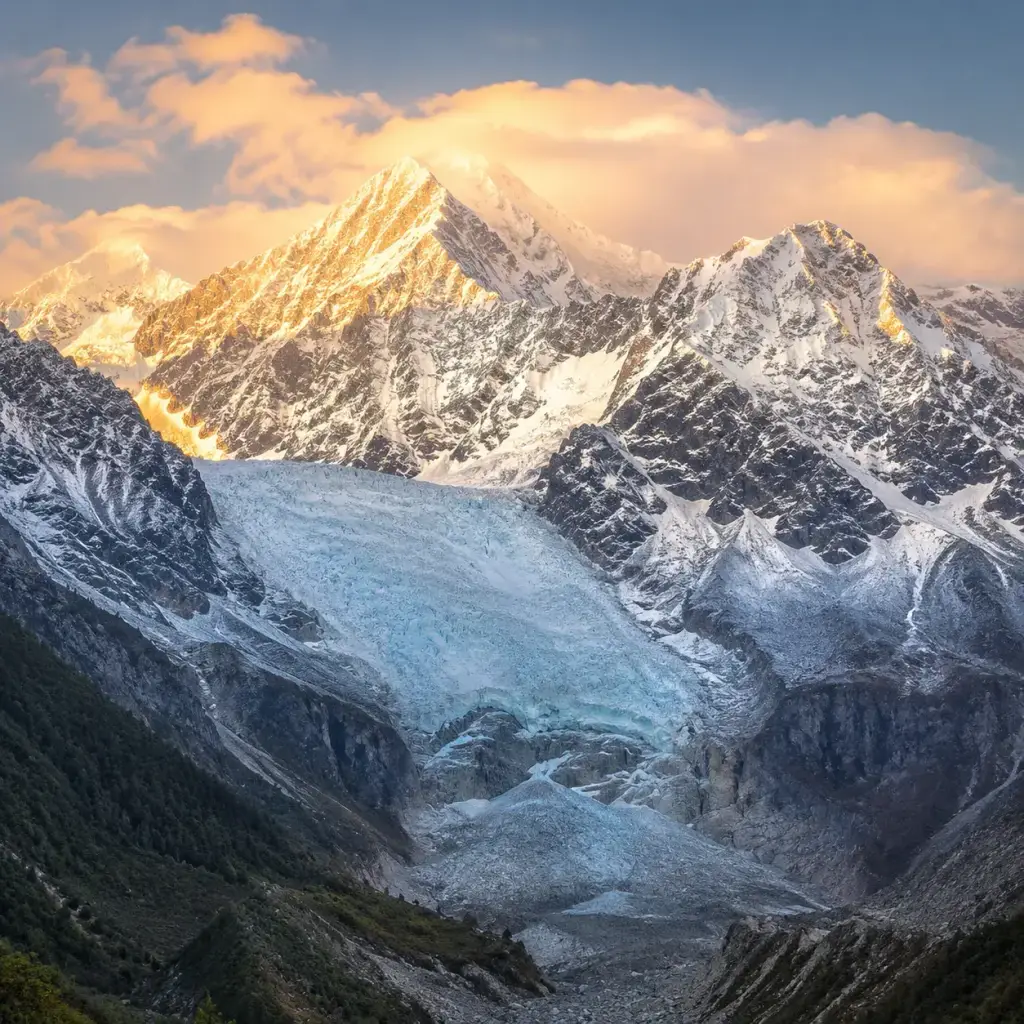
Glaciers 1 destination · start with Hailuogou
Forests 1 destination · start with Xishuangbanna
Wetlands 1 destination · start with Yellow River Delta
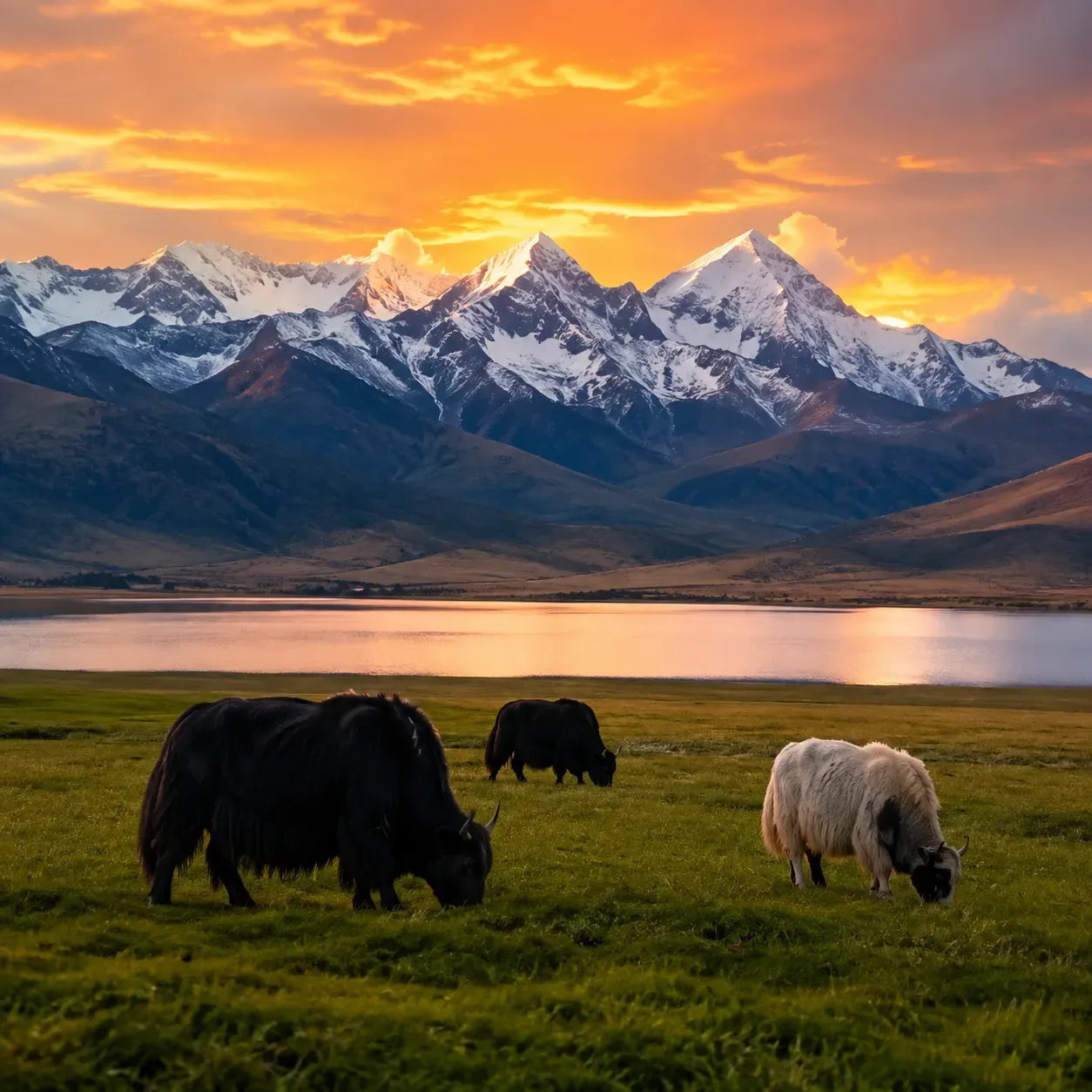
Plateau 2 destinations · start with Shangri-La or Tibet
All 12 destinations
Pick a destination to read the full travel guide — tickets, best season, transport, and a day-by-day itinerary.
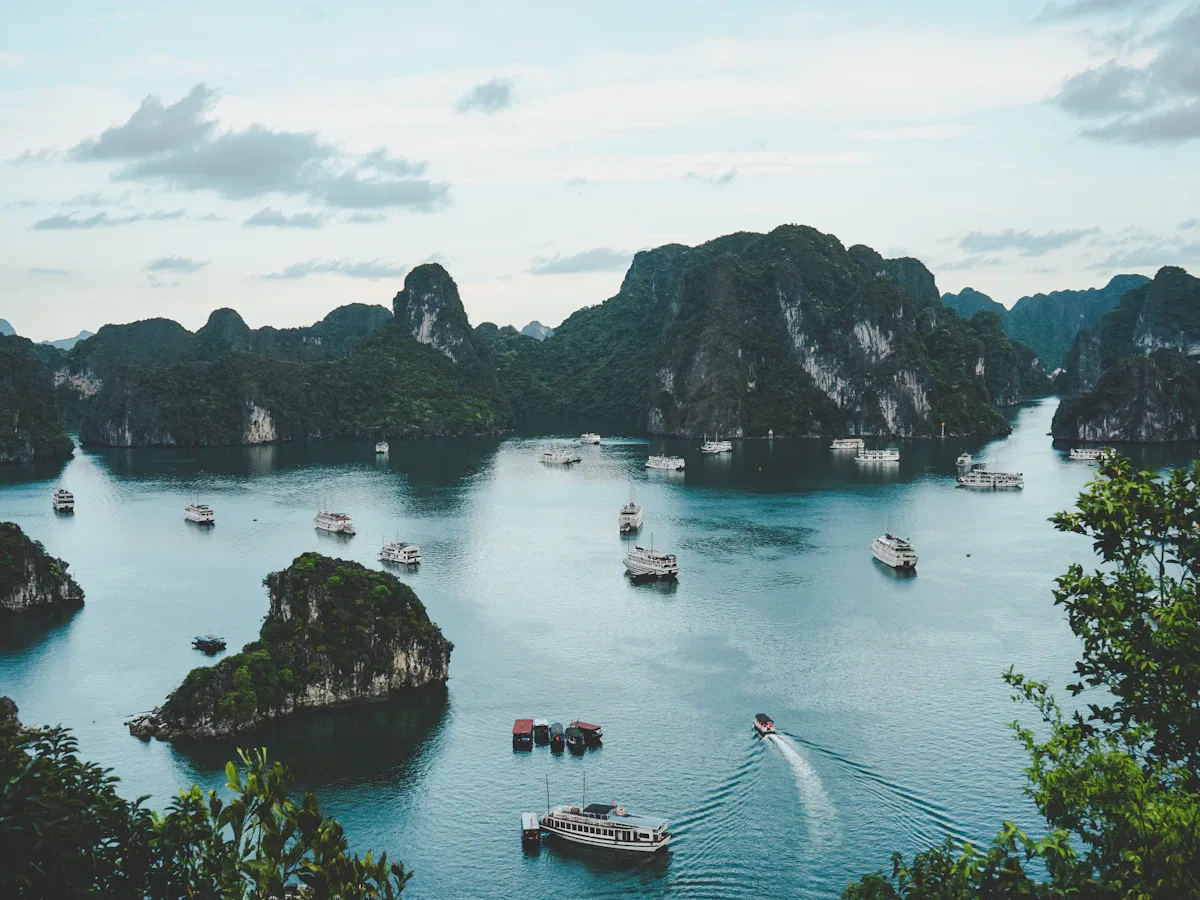
Mountains
2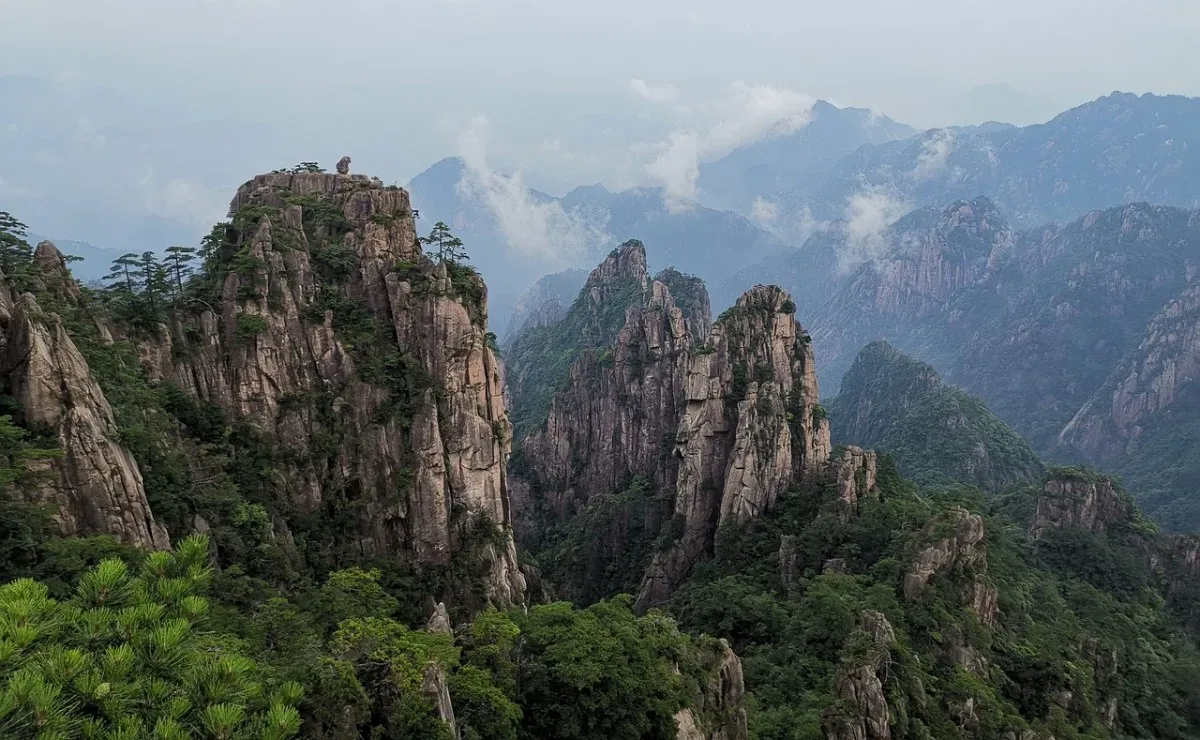
Planning tips
Use high-speed rail as your backbone
China's HSR network reaches 9 of these 12 destinations directly (Beijing/Shanghai/Chengdu/Kunming to Guilin, Zhangjiajie, Huangshan, Jiuzhaigou, Lijiang, etc.). It's faster than flying for distances under 1,000 km and avoids the security and weather delays of domestic flights. The exceptions are remote parks: Zhangye Danxia, Hailuogou, Hulunbuir, Shangri-La and Tibet all need a regional flight or long drive.
Book Jiuzhaigou, Tibet, and Danxia tickets ahead
Three of the 12 have a hard daily cap: Jiuzhaigou (tied to your passport, releases 14 days ahead), Tibet (foreign travelers need a permit via an agency, 15+ days ahead), and Zhangye Danxia (no cap but the park sells out on holiday weekends). The other 9 are walk-up friendly.
Acclimatize for high-altitude destinations
Shangri-La (3,200m) and Tibet (3,650m) need 1–2 days of rest on arrival before any trekking. Drink water, avoid alcohol, and consider altitude medication. Jiuzhaigou (2,000m) and Huangshan (1,860m) are also above 2,000m but rarely cause issues for healthy travelers.
Combine pairs to save travel time
Zhangjiajie and Guilin are 6 hours by HSR — pair for a 7-day karst-and-pillars trip. Jiuzhaigou and Hailuogou are both in Sichuan — pair for 5 days of lakes and glaciers. Dunhuang and Zhangye Danxia are 2 hours apart — pair for a 4-day Silk Road extension. Tibet and Shangri-La pair naturally as a 7-day Yunnan-to-Tibet overland.
Not sure where to start?
Use the trip finder on the homepage to filter by landform, season, difficulty and altitude.
Find my trip