Tibet & Lhasa
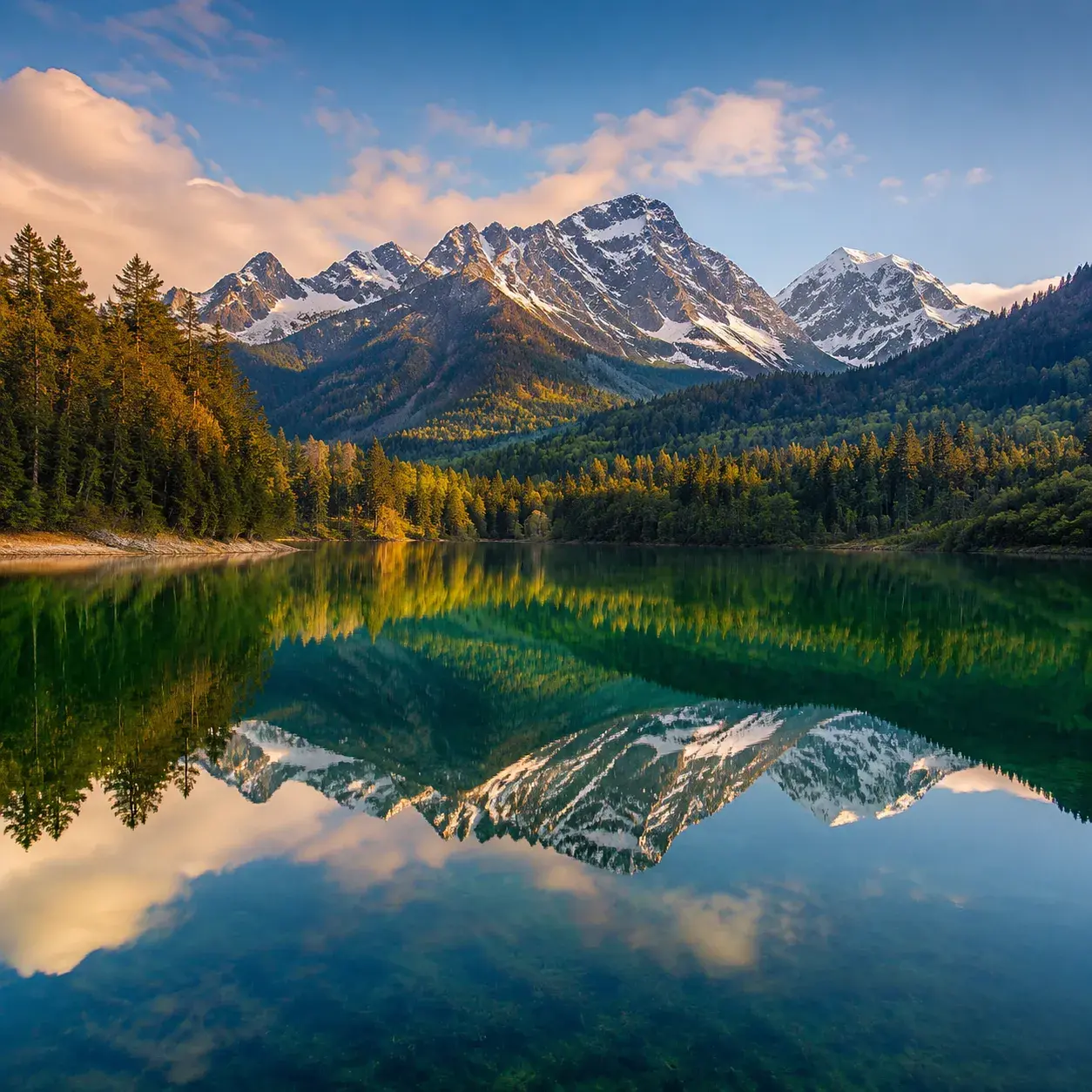
The Roof of the World — Lhasa's Potala Palace, sacred turquoise lakes, Himalayan passes over 5,000m, and a Tibetan culture unchanged for centuries.
The Roof of the World — Potala Palace, turquoise lakes and Himalayan passes.
About Tibet & Lhasa
Tibet is the highest plateau on Earth — the 'Roof of the World' at an average 4,500m — and Lhasa, at 3,650m, is its cultural and political capital. The Potala Palace, the Jokhang Temple and the surrounding monasteries are the most intact Tibetan Buddhist sites in the world, and the surrounding region has turquoise lakes, Himalayan passes and the highest base camp in the world. Most travelers spend five to seven days: two acclimatizing in Lhasa, two on day trips to nearby lakes and monasteries, and one to three on the overland route to Everest or Mount Kailash.
Facts at a Glance
The physical and historical details of Tibet & Lhasa — useful for understanding the landscape and planning your visit.
| Landscape type | Tibetan plateau, world's highest and largest |
| Elevation | Lhasa 3,650m, Everest base camp 5,200m, average plateau 4,500m |
| Area | 1.2 million km², the second-largest administrative region in China |
| Climate | Alpine plateau, very dry, strong UV, 5–22°C in summer, -10 to 5°C in winter |
| UNESCO status | Potala Palace — UNESCO 1994 (extended 2000, 2001) |
Tibet has been Buddhist since the 7th century, and the region remains the heart of Vajrayana Buddhism — distinct from Han Chinese Mahayana. The Potala Palace has been the residence of the Dalai Lamas since 1645, and the Jokhang Temple in central Lhasa is the spiritual center of Tibetan Buddhism. Monasteries, prayer flags, kora walks and yak butter tea are central to the culture.
Top things to do
- Tour the Potala Palace, the 1,300-year-old winter residence of the Dalai Lamas and a UNESCO World Heritage site
- Walk the kora around the Jokhang Temple, the spiritual heart of Tibetan Buddhism
- Drive over the Khamba La pass to the impossibly turquoise Yamdrok Lake at 4,400m
- Visit the Tashilhunpo Monastery in Shigatse, the seat of the Panchen Lama
How to get there
Fly to Lhasa (LXA) from Chengdu, Xi'an, Chongqing or Kunming (most flights are 2–3 hours). Or take the Qinghai–Tibet railway from Xining (22 hours, the highest railway in the world and a destination in its own right). Foreign travelers must enter Tibet as part of a registered tour group — independent travel is not permitted.
Best time to visit
Late September to early October for the clearest skies and best Himalayan views, or July to August for the only season when all high passes and Everest Base Camp are accessible. April to May is a quieter shoulder season. Avoid November to March for cold and closed passes.
Season by season
Mild (5–18°C), wildflowers, fewer crowds. Best for trekking and culture; some high passes still closed until late May.
Warmest (10–22°C), 70% of annual rainfall, but the only season when high passes and Everest are open. Peak season; book far ahead.
Clearest skies, stable weather, 5–18°C. The recommended season — clear Himalayan views, fewer rains, peak festivals.
Cold (-10 to 5°C), most passes closed, some monasteries limited. Inner Lhasa and the Potala remain open, with few tourists.
Suggested itinerary
Fly or train in, rest, walk slowly, and have a light meal. Avoid alcohol and heavy exertion.
Short walks in the old town, visit the Jokhang Temple, and have an early dinner.
Morning guided tour of the Potala (3 hours), afternoon at Sera Monastery for the monk debates.
Drive over Khamba La pass to Yamdrok Lake (4,400m) and return to Lhasa.
Drive to Shigatse (6h) or Gyantse (5h), visit Tashilhunpo or Pelkor Chode monasteries, and return.
If permit allows, drive to Rongbuk Monastery and Everest Base Camp (5,200m) — 2-day round trip.
What it really costs
A realistic per-person day budget for Tibet & Lhasa, excluding international flights. Prices in CNY (1 USD ≈ 7.2 CNY).
Editor's pro tips
Five things we'd tell a friend before they go — the practical details you won't find in a brochure.
- Foreign travelers need a Tibet Travel Permit — apply via a registered agency at least 15 days in advance, and book the trip as a package tour
- Spend 2 nights in Lhasa before any high-altitude travel — altitude sickness ruins more Tibet trips than anything else
- Visit the Potala Palace on a guided morning tour — afternoon slots are rushed and the entry is timed
- Add 2 days for Yamdrok Lake and Everest Base Camp if your permit allows — these are the highlights of any Tibet trip
- Pack for the altitude: sunscreen, sunglasses, lip balm, layers, and any altitude medication your doctor recommends