High-Altitude Destinations
China's highest landscapes sit on and around the Tibetan Plateau, the 'roof of the world'. These three destinations take you from about 3,000 m to over 4,500 m — spectacular, but only safe and enjoyable with proper acclimatization and planning.
The 3 High-Altitude Destinations
Tap any destination for the full guide — tickets, best season, transport and a day-by-day itinerary.
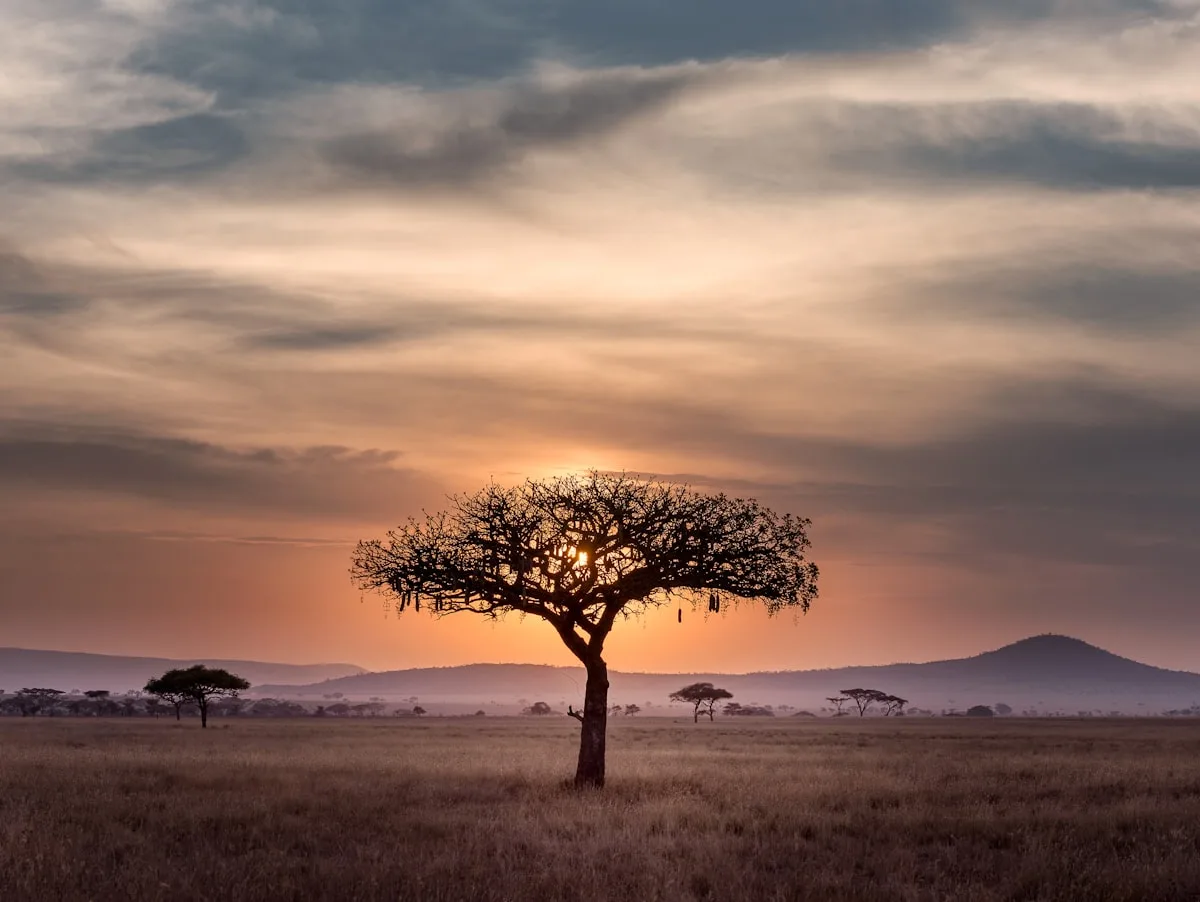
Tibet & Lhasa
Tibet is the highest plateau on Earth — the 'Roof of the World' at an average 4,500m — and Lhasa, at 3,650m, is its cultural and political capital. The Potala Palace, the Jokhang Temple and the surrounding monasteries are the most intact Tibetan Buddhist sites in the world, and the surrounding region has turquoise lakes, Himalayan passes and the highest base camp in the world. Most travelers spend five to seven days: two acclimatizing in Lhasa, two on day trips to nearby lakes and monasteries, and one to three on the overland route to Everest or Mount Kailash.
- Tour the Potala Palace, the 1,300-year-old winter residence of the Dalai Lamas and a UNESCO World Heritage site
- Walk the kora around the Jokhang Temple, the spiritual heart of Tibetan Buddhism
- Drive over the Khamba La pass to the impossibly turquoise Yamdrok Lake at 4,400m
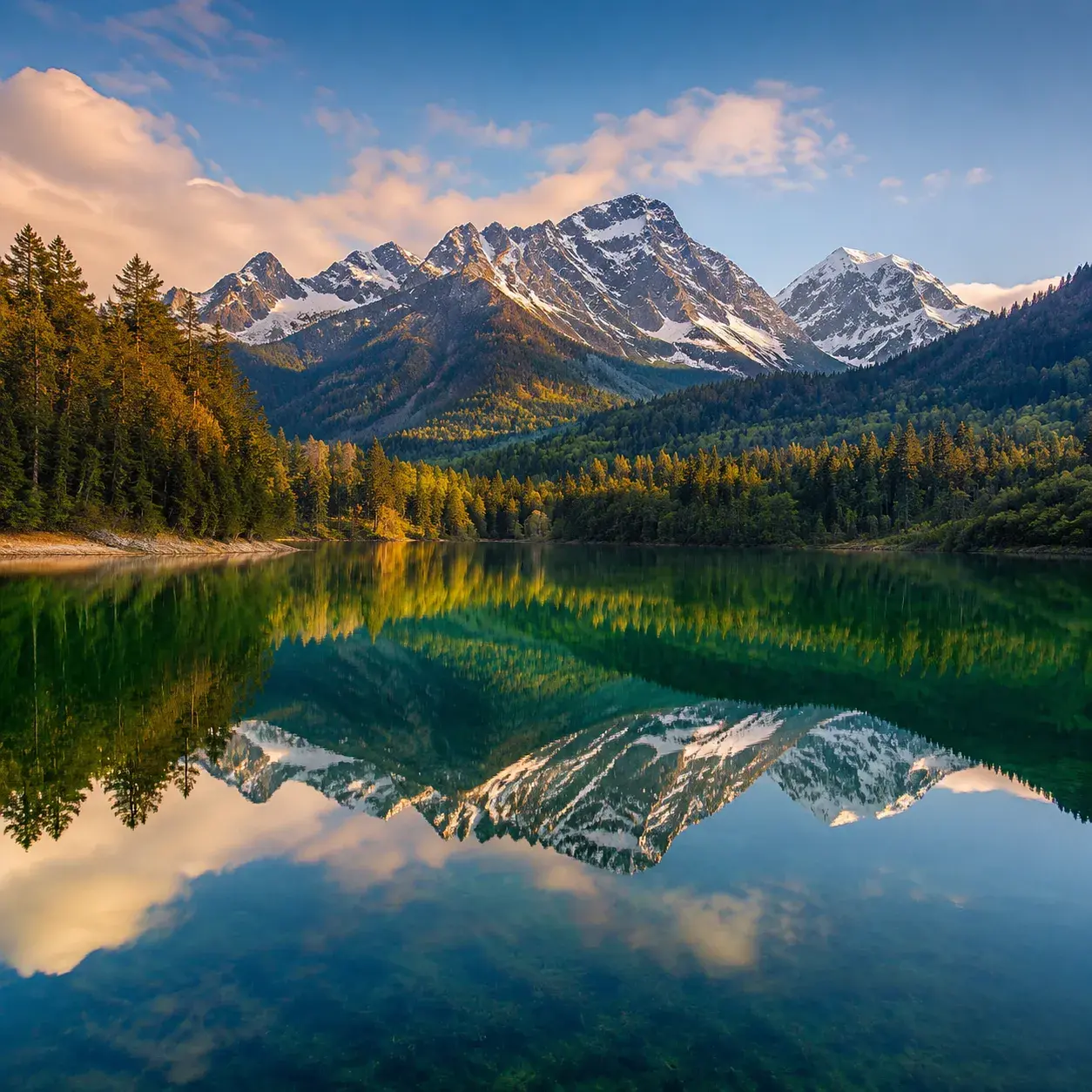
Shangri-La
Shangri-La is a 3,200m Tibetan town on the edge of the Tibetan plateau — renamed in 2001 to capitalize on the James Hilton novel that inspired the name. It is the cultural heartland of Tibetan Yunnan, with the largest Tibetan Buddhist monastery in the province and a starting point for high-altitude treks into the Three Parallel Rivers region. Most travelers spend three to four days: a day acclimatizing and visiting the monastery, a day at Pudacuo National Park, and a day on the Tiger Leaping Gorge trail or in a Tibetan village.
- Tour Songzanlin Monastery, the largest Tibetan Buddhist monastery in Yunnan, founded 1679
- Hike around Shudu Lake and Bita Lake in Pudacuo National Park, the highest national park in China
- Drive to the Tiger Leaping Gorge, one of the deepest gorges in the world
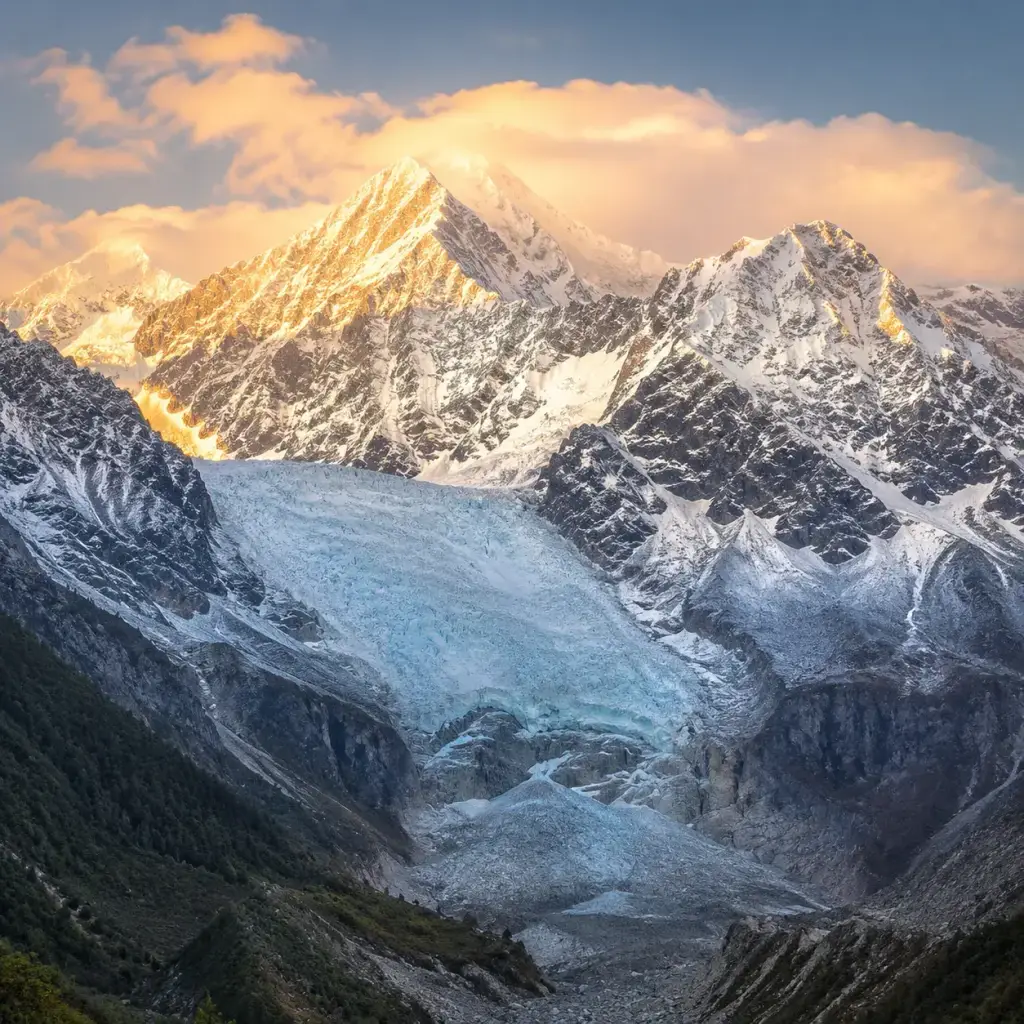
Hailuogou Glacier
Hailuogou (Hailuo Valley) is one of the lowest-altitude modern glaciers in the world — a 14km ice tongue descending from Mount Gongga (7,556m) down to 2,850m, where it meets a temperate forest and a system of hot springs. It is the rare glacier that requires no special equipment, and the combination of ice, hot springs and bamboo forest is unique in China. Most travelers spend two to three days: a day on the glacier, a day at the hot springs, and a day driving in from Chengdu or Kangding.
- See the 1,080m ice fall cascading from the Gongga massif into the forest
- Soak in an outdoor hot spring with Mount Gongga rising above the steam
- Walk through the bamboo and rhododendron forest at the glacier's edge
Compare High-Altitude Destinations at a glance
Ticket prices, best season, time needed and altitude — side by side, so you can pick in one pass.
| Destination | Entry ticket | Best season | Days | Altitude | Rating |
|---|---|---|---|---|---|
| Tibet & Lhasa | Potala Palace ~CNY 200 (book ahead) | Summer, Autumn | 4–7 days | 4,500m+ | 9.6 |
| Shangri-La | Songzanlin Monastery ~CNY 90; Pudacuo Park ~CNY 100 | Spring, Autumn | 3–4 days | 3,000–4,500m | 8.8 |
| Hailuogou Glacier | ~CNY 90 + cable car CNY 150 | Winter, Spring | 2–3 days | 3,000–4,500m | 8.3 |
Why these three?
High altitude in China is not a single place — it's a gradient. These three destinations let you experience the plateau at three very different intensities, so you can choose the level that suits your fitness and schedule.
Hailuogou Glacier is the gentlest entry point: a 3,000 m valley where you can watch a glacier pour off a 7,556 m peak without a strenuous trek. Shangri-La (3,200 m) is the cultural heart of the eastern plateau, with grasslands, monasteries and the first taste of thin air. Lhasa (3,650 m) is the deep end — the plateau proper, with passes and viewpoints above 5,000 m.
The one rule that applies to all three: ascend slowly, spend your first day doing as little as possible, drink more water than usual, and avoid alcohol. Most altitude problems come from climbing too fast, not from the height itself.
The low-to-high acclimatization route
Ascend in this order and give your body a day to adjust at each step — every stop sits higher than the last, which is exactly how you avoid altitude sickness.
Hailuogou Glacier (3,000m)
Your warm-up. Take the cable car to the glacier viewing platform and watch ice pour off 7,556m Gongga Shan. Sleep low, in Moxi town.
Shangri-La (3,200m)
Fly to Diqing. Spend a rest day at the Songzanlin Monastery and Pudacuo National Park, then a day on the Napa Lake grassland.
Lhasa (3,650m + 5,000m passes)
Fly in and take a full rest day before doing anything. Then the Potala Palace, Jokhang Temple, and a day trip over the 5,000m passes.
How high do you want to go?
Choose by altitude tolerance and appetite for planning.
Gentlest introduction
Hailuogou — a 3,000m valley where you see a glacier without any strenuous trek, no permit needed.
Culture + grassland
Shangri-La — monasteries, alpine lakes and the eastern edge of the plateau at 3,200m, no permit needed.
The full plateau
Lhasa — the real 'roof of the world' at 3,650m with passes above 5,000m; requires a pre-arranged permit.