UNESCO World Heritage Sites
China has 59 UNESCO World Heritage Sites, the second most of any country on Earth. This collection narrows them to the seven that combine world-class scenery with realistic travel logistics — places that are both genuinely spectacular and genuinely visitable on a normal trip.
The 7 UNESCO World Heritage Sites
Tap any destination for the full guide — tickets, best season, transport and a day-by-day itinerary.
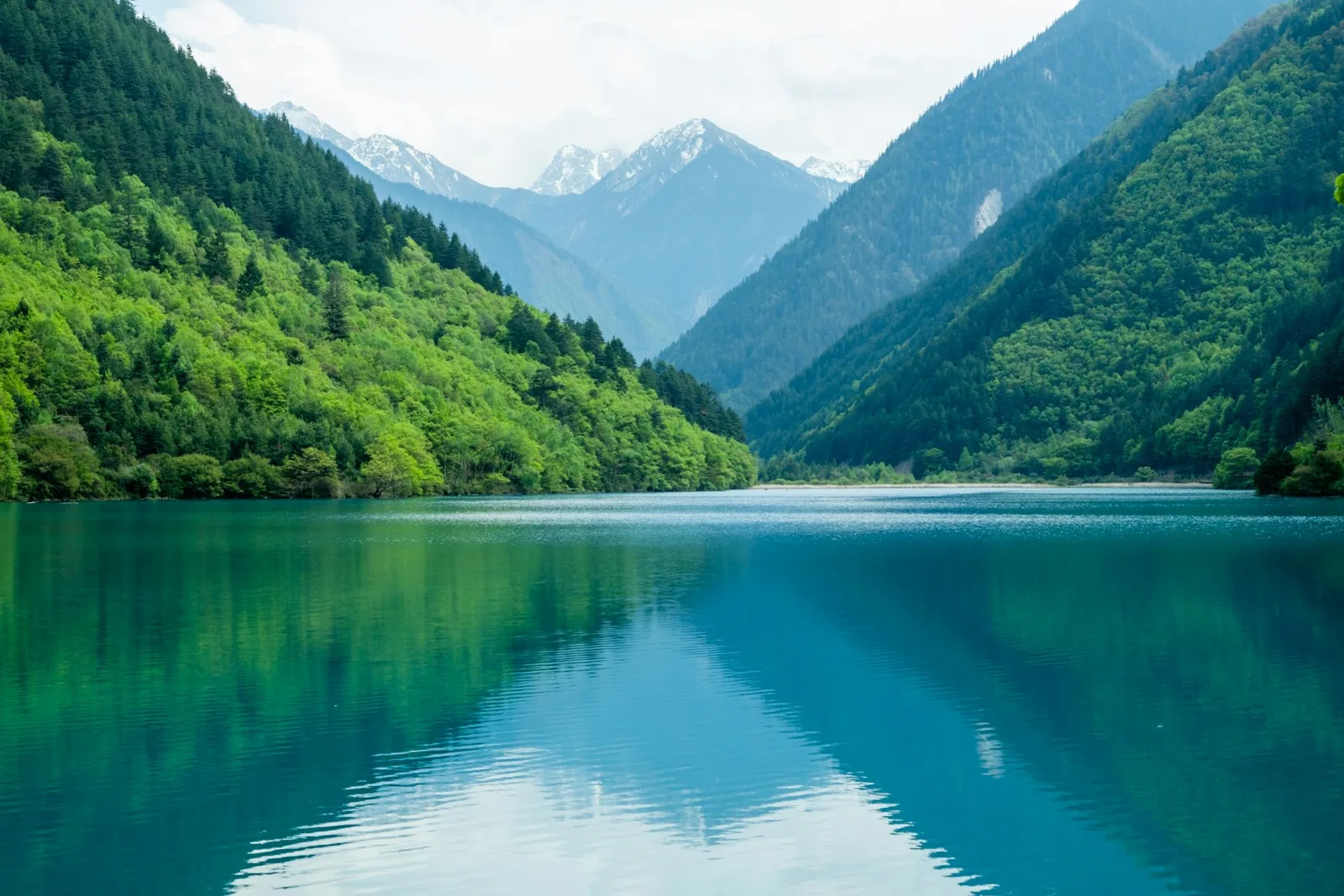
Jiuzhaigou Valley
Jiuzhaigou Valley is the most photogenic water in China — over 100 tiered lakes in impossible shades of turquoise and blue, linked by waterfalls and framed by snow peaks. It is worth visiting as a standalone trip, and it is one of the easiest big sights in China to explore: a park bus shuttles you between boardwalk viewpoints, so you see everything without hard hiking. Most travelers spend one full day in the park, two if they want to linger.
- See Five Flower Lake, the famous shallow lake whose turquoise and green colors look retouched but are completely real
- Walk the boardwalk beside Nuorilang Waterfall, the widest travertine waterfall in China
- Look for the mirror reflection on Long Lake, the park's highest and deepest lake
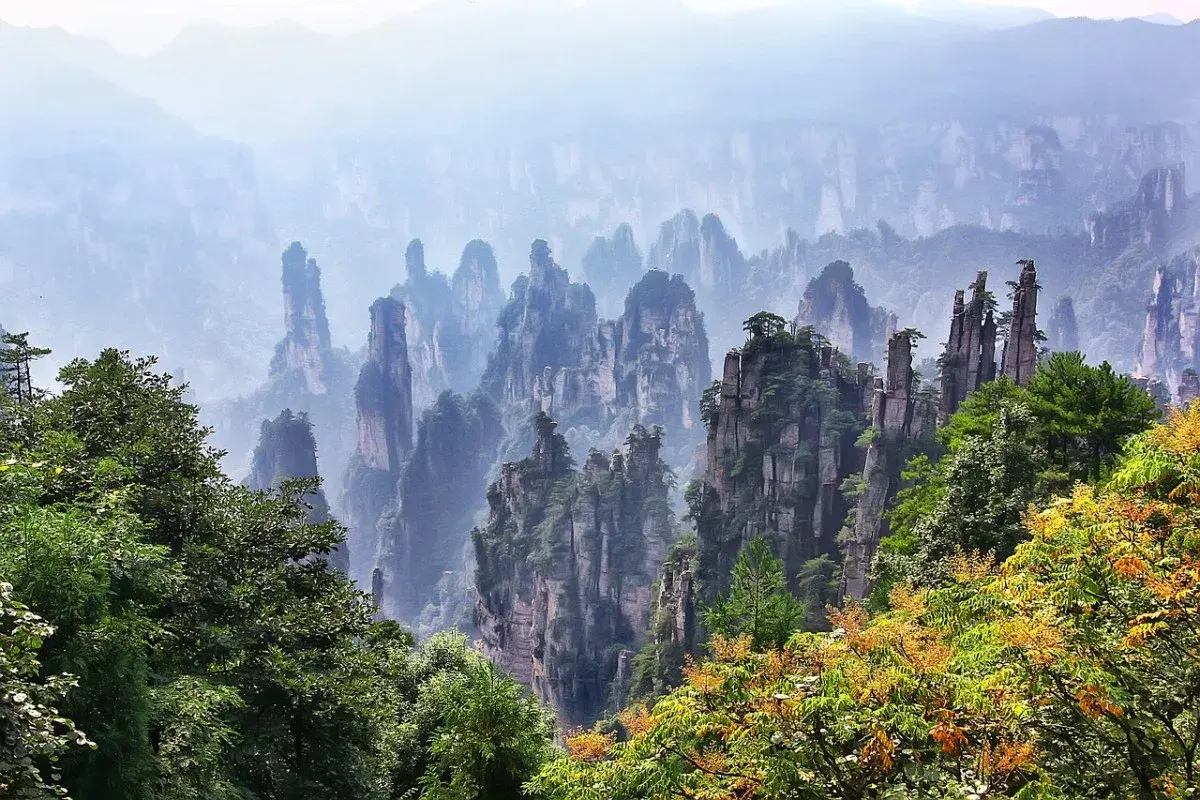
Zhangjiajie
Zhangjiajie is China's most surreal landscape — more than 3,000 quartz-sandstone pillars rising out of a subtropical forest, the same scenery that inspired the floating mountains in Avatar. It is absolutely worth visiting, and it is one of the few places in China where the reality lives up to the postcard. Most travelers spend three days here: two in Zhangjiajie National Forest Park (the pillar forest) and one at Tianmen Mountain (the glass skywalk and 999-step staircase).
- Walk the Avatar Hallelujah Mountain viewpoints in Yuanjiajie — the pillar forest that made the park famous
- Ride the Bailong Elevator, the world's tallest outdoor lift, up 326m of cliff face in 88 seconds
- Cross the Zhangjiajie Grand Canyon glass bridge, suspended 300m above the canyon floor
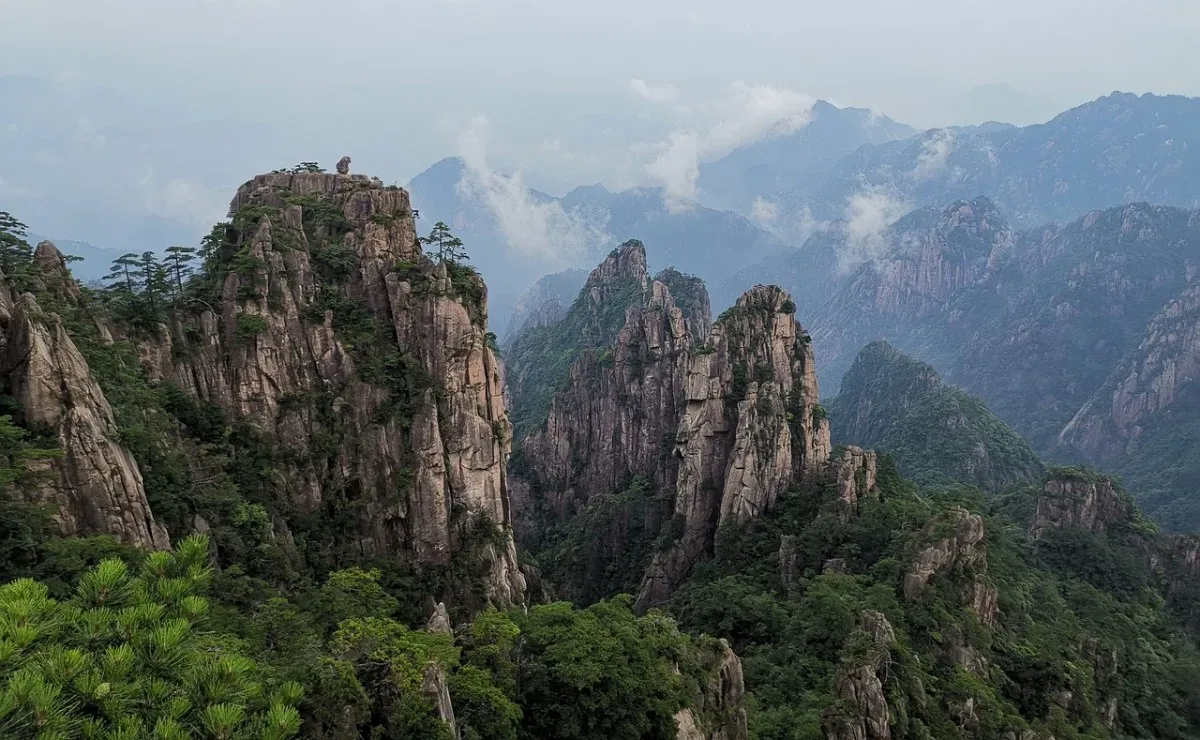
Huangshan
Huangshan (Yellow Mountain) is widely considered the most beautiful mountain in China — a granite range of spires, twisted pines and a legendary 'sea of clouds' that has inspired classical Chinese ink painting for a thousand years. It is worth visiting for the sunrise alone, and it is far more accessible than its altitude suggests thanks to modern cable cars. Most travelers spend two days: one day hiking up and exploring the summit, then a night on top to catch the dawn.
- Watch the sunrise over the sea of clouds from Bright Summit or Refreshing Terrace
- See the Greeting Guest Pine, the 1,500-year-old tree that is China's most photographed pine
- Hike the West Sea Grand Canyon, the most dramatic and least crowded trail on the mountain
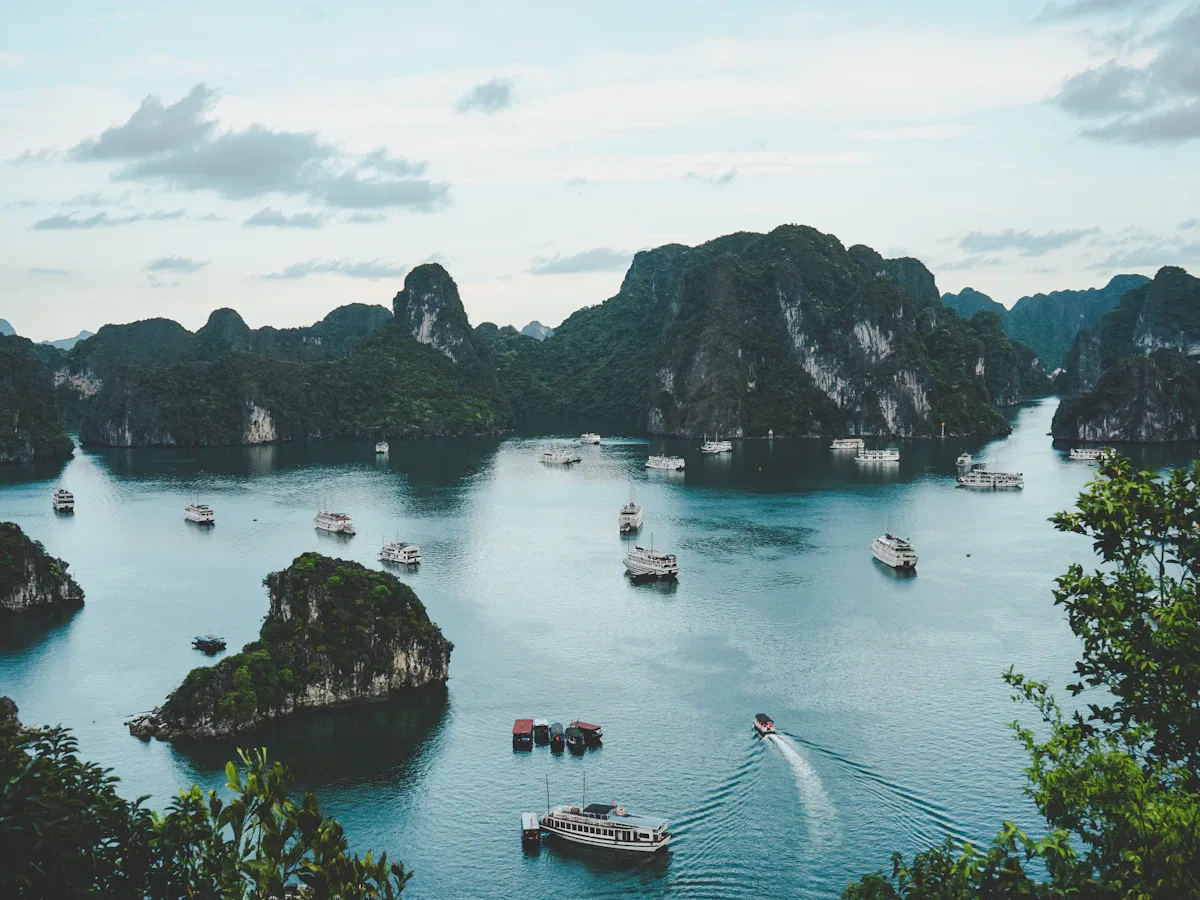
Guilin & Yangshuo
Guilin and Yangshuo are the classic China postcard — tower karst peaks rising above a lazy river, with bamboo rafts, rice paddies and limestone caves. It is the easiest introduction to China's nature, with no altitude and mature tourist infrastructure, and it is genuinely worth visiting for first-timers and families. Most travelers spend three to four days: one on the Li River, one cycling around Yangshuo, and one exploring caves and hilltop viewpoints.
- Cruise or raft the Li River, the 83km stretch of karst scenery printed on China's 20-yuan banknote
- Bike through the Yulong River valley past rice fields and under limestone towers
- Ride a bamboo raft down the Yulong River — quieter and prettier than the big cruise boats
Dunhuang & Gobi
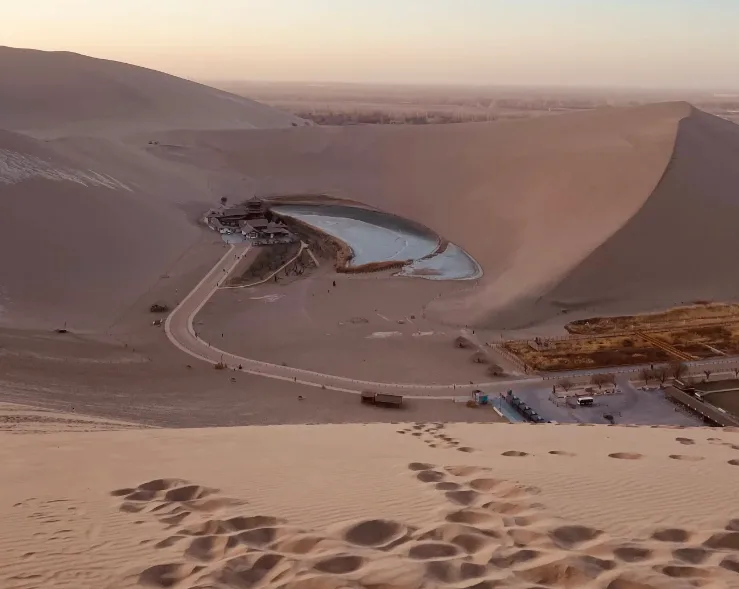
Dunhuang was the last stop on the ancient Silk Road before caravans crossed the Taklamakan — a thousand-year-old oasis town where Buddhist monks carved 735 caves into a sandstone cliff and merchants traded silk for gold. Today the highlights are the Mogao Caves (a UNESCO treasure) and the singing sand dunes of Mingsha Shan, which contain a tiny spring-fed lake that has not dried up in 2,000 years.
- Tour the Mogao Caves, the 1,600-year-old Buddhist grottoes with 45,000 m² of wall paintings
- Camel-trek or sand-board down the Mingsha Shan dunes at sunset
- See Crescent Lake, the spring-fed oasis tucked between 250m dunes
Shangri-La
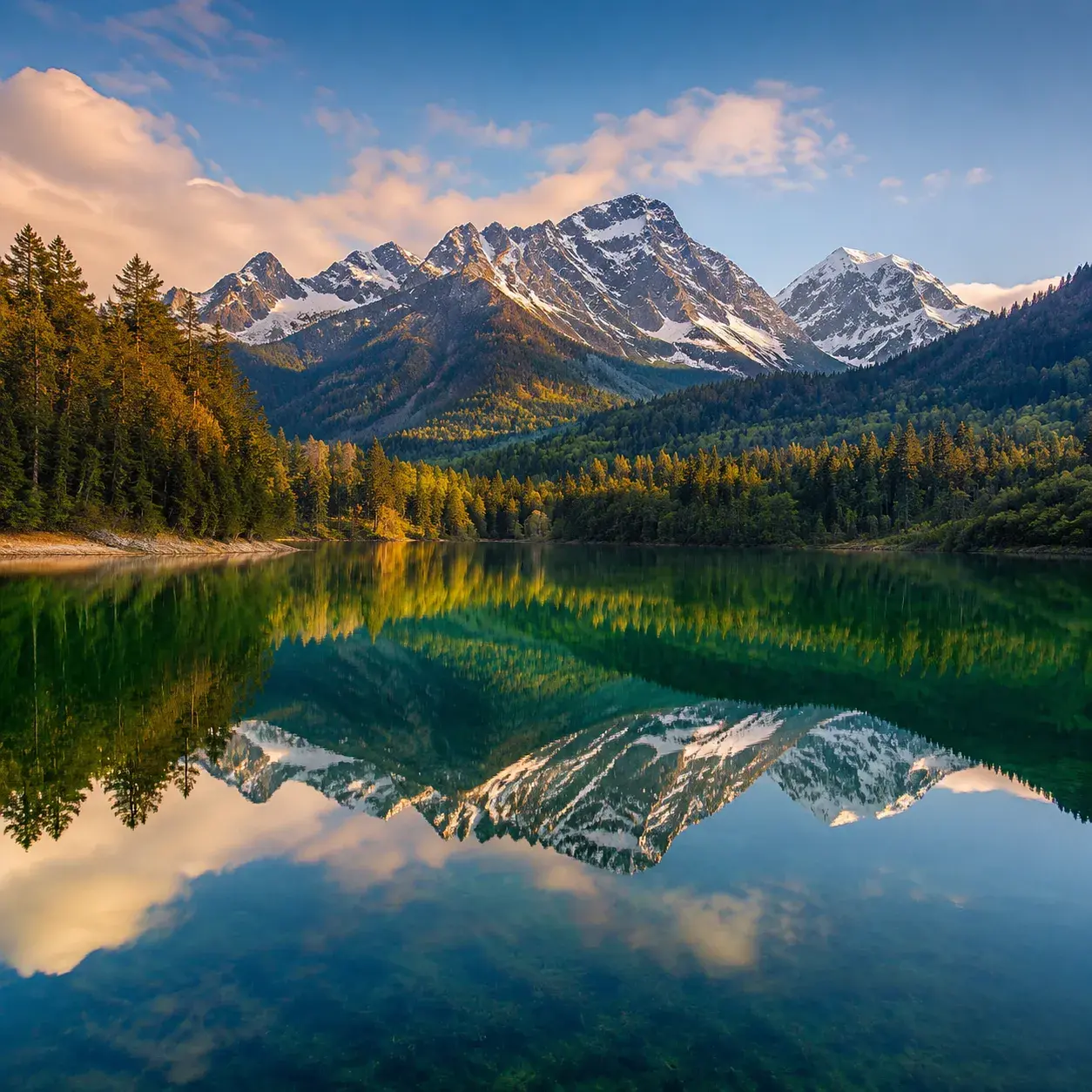
Shangri-La is a 3,200m Tibetan town on the edge of the Tibetan plateau — renamed in 2001 to capitalize on the James Hilton novel that inspired the name. It is the cultural heartland of Tibetan Yunnan, with the largest Tibetan Buddhist monastery in the province and a starting point for high-altitude treks into the Three Parallel Rivers region. Most travelers spend three to four days: a day acclimatizing and visiting the monastery, a day at Pudacuo National Park, and a day on the Tiger Leaping Gorge trail or in a Tibetan village.
- Tour Songzanlin Monastery, the largest Tibetan Buddhist monastery in Yunnan, founded 1679
- Hike around Shudu Lake and Bita Lake in Pudacuo National Park, the highest national park in China
- Drive to the Tiger Leaping Gorge, one of the deepest gorges in the world
Tibet & Lhasa
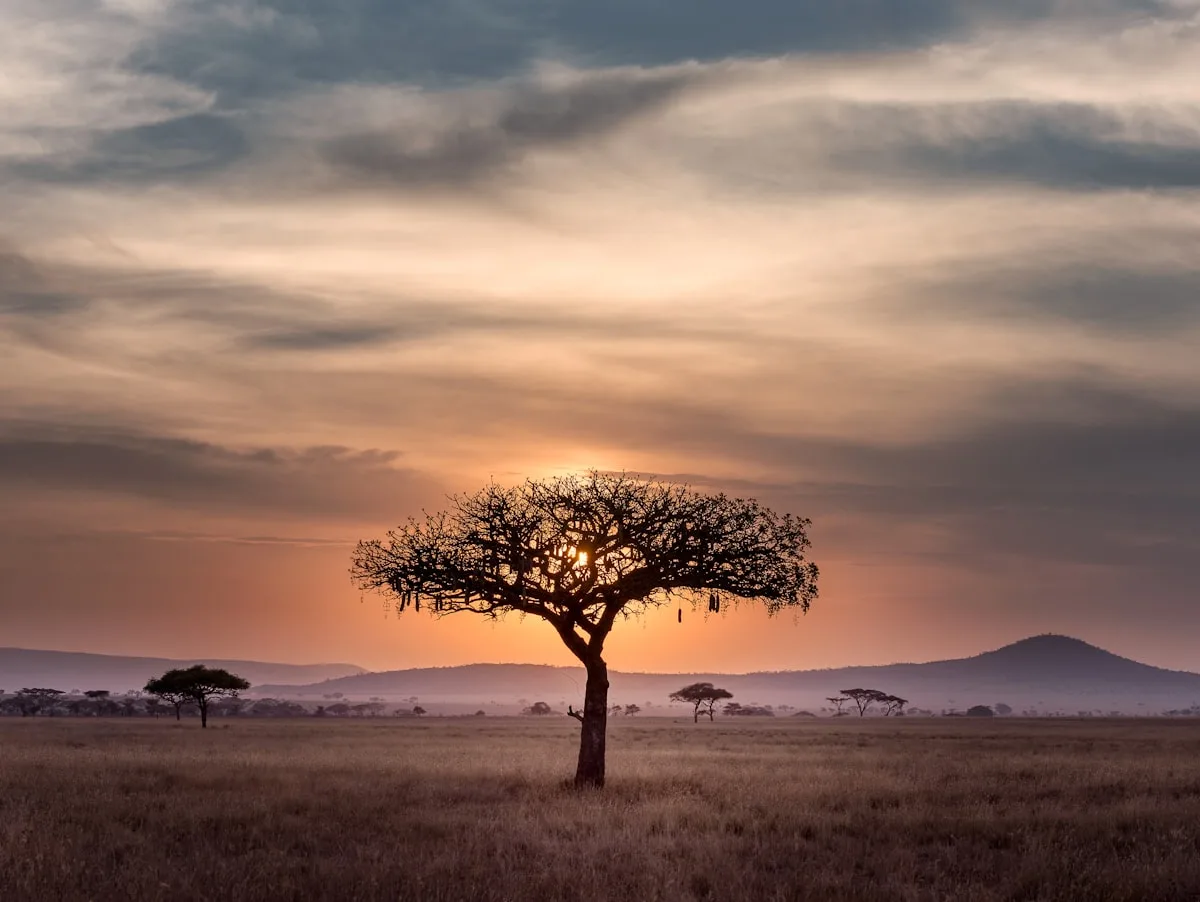
Tibet is the highest plateau on Earth — the 'Roof of the World' at an average 4,500m — and Lhasa, at 3,650m, is its cultural and political capital. The Potala Palace, the Jokhang Temple and the surrounding monasteries are the most intact Tibetan Buddhist sites in the world, and the surrounding region has turquoise lakes, Himalayan passes and the highest base camp in the world. Most travelers spend five to seven days: two acclimatizing in Lhasa, two on day trips to nearby lakes and monasteries, and one to three on the overland route to Everest or Mount Kailash.
- Tour the Potala Palace, the 1,300-year-old winter residence of the Dalai Lamas and a UNESCO World Heritage site
- Walk the kora around the Jokhang Temple, the spiritual heart of Tibetan Buddhism
- Drive over the Khamba La pass to the impossibly turquoise Yamdrok Lake at 4,400m
Compare UNESCO World Heritage Sites at a glance
Ticket prices, best season, time needed and altitude — side by side, so you can pick in one pass.
| Destination | Entry ticket | Best season | Days | Altitude | Rating |
|---|---|---|---|---|---|
| Jiuzhaigou Valley | ~CNY 169–280; advance reservation required | Autumn | 2–3 days | 1,500–3,000m | 9.5 |
| Zhangjiajie | Forest park ~CNY 225 (4-day); elevators extra | Spring, Autumn | 3 days | Low | 9.4 |
| Huangshan | ~CNY 190 + cable cars ~CNY 80–90 | Year-round | 2–3 days | 1,500–3,000m | 9.3 |
| Guilin & Yangshuo | Li River cruise ~CNY 360; parks from CNY 60 | Spring, Summer, Autumn | 3–4 days | Low | 9.0 |
| Dunhuang & Gobi | Mogao Caves from CNY 238 (book ahead); dunes ~CNY 110 | Spring, Autumn | 3 days | Low | 8.7 |
| Shangri-La | Songzanlin Monastery ~CNY 90; Pudacuo Park ~CNY 100 | Spring, Autumn | 3–4 days | 3,000–4,500m | 8.8 |
| Tibet & Lhasa | Potala Palace ~CNY 200 (book ahead) | Summer, Autumn | 4–7 days | 4,500m+ | 9.6 |
Why these seven?
UNESCO's list is long, but 'inscribed' doesn't always mean 'worth a long detour on your holiday'. We picked seven sites that pass a simple two-part test: they're among the most visually dramatic places in China, and they're reachable without a specialist expedition.
Five of the seven are inscribed for their natural value — Jiuzhaigou's tiered turquoise lakes, Zhangjiajie's 3,000 sandstone pillars, Huangshan's granite spires, the South China Karst around Guilin, and the Three Parallel Rivers around Shangri-La. The other two are cultural: the Mogao Caves at Dunhuang (1,000 years of Buddhist art carved into desert cliffs) and the Potala Palace in Lhasa (the former winter seat of the Dalai Lama).
The practical upshot: only Tibet requires a pre-arranged permit. The other six can be visited independently with a passport, a ticket and a train or flight.
A practical 8-day route: three sites on one train line
Seven sites across eight provinces is too much for a single trip. This route strings together the three that connect most easily by high-speed rail — the western sites (Jiuzhaigou, Dunhuang, Shangri-La, Lhasa) each need their own trip.
Zhangjiajie (Wulingyuan)
Fly or train in, then spend two full days in the forest park: Yuanjiajie's Avatar pillars and Tianzi Mountain's panoramas on day one, the Grand Canyon glass bridge and Tianmen Mountain on day two.
Guilin & Yangshuo (South China Karst)
Take the six-hour high-speed train south. Cruise the Li River, bike the Yangshuo countryside, and climb a karst peak for sunrise.
Huangshan (Mount Huangshan)
Fly or train east. Ride the cable car up, walk the summit loop, and stay one night on the mountain for the sunrise and sea of clouds.
Which UNESCO site should you visit first?
Pick by what you most want to see — each site has a very different signature.
Turquoise lakes
Jiuzhaigou — the most photogenic water in China, best in autumn color (Sep–Oct).
Surreal rock pillars
Zhangjiajie — the 'floating mountains' of Avatar, dramatic in any season.
Classical mountain scenery
Huangshan — granite spires, pines and seas of cloud that inspired a millennium of ink painting.
River-and-karst postcard
Guilin & Yangshuo — the landscape on every postcard of China, with the easiest logistics.
Desert + Buddhist art
Dunhuang — the Mogao Caves' 1,000 years of frescoes, set in the Gobi.
High-altitude culture
Lhasa or Shangri-La — plateau monasteries and Himalayan views (permit required for Tibet).